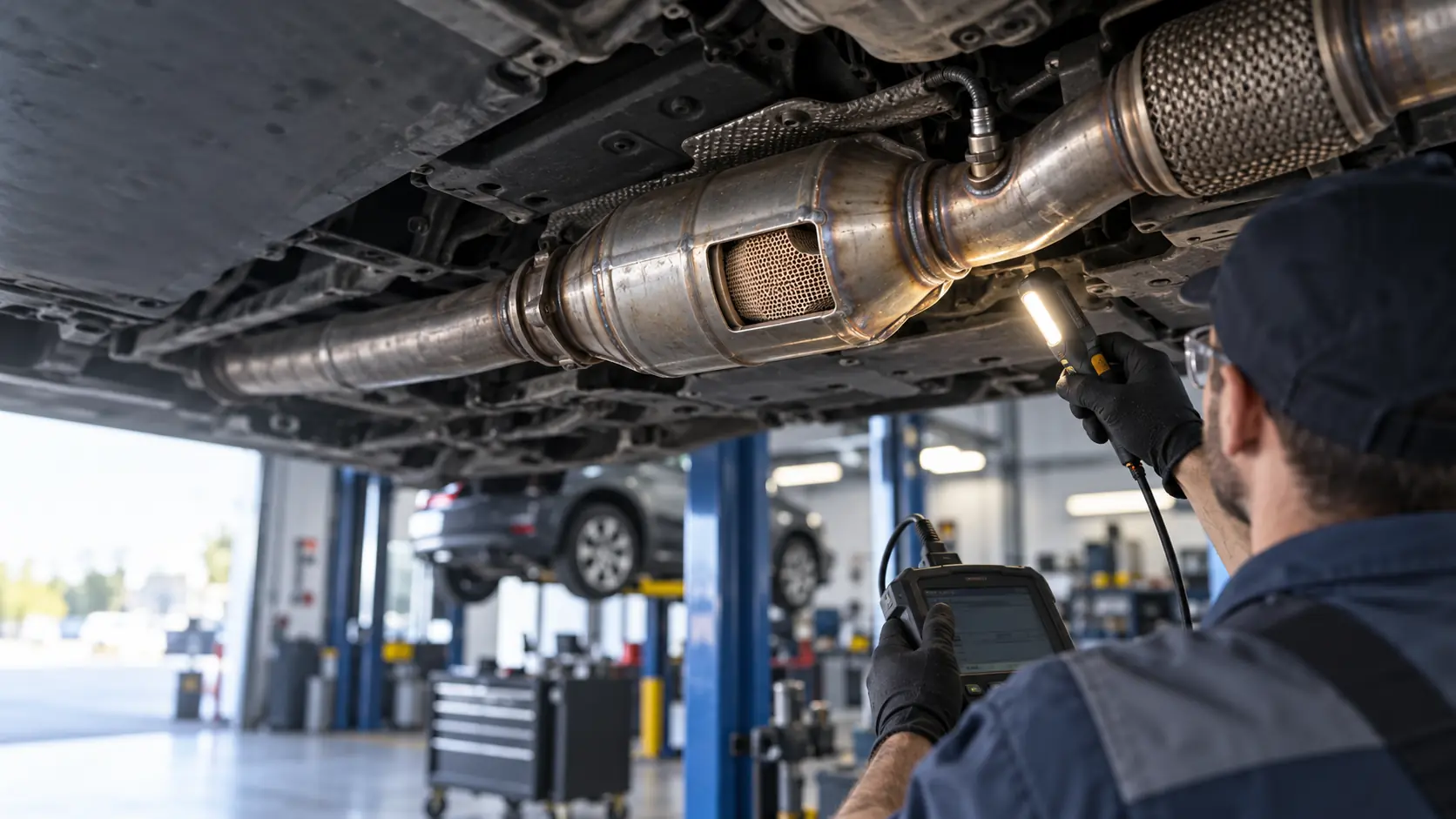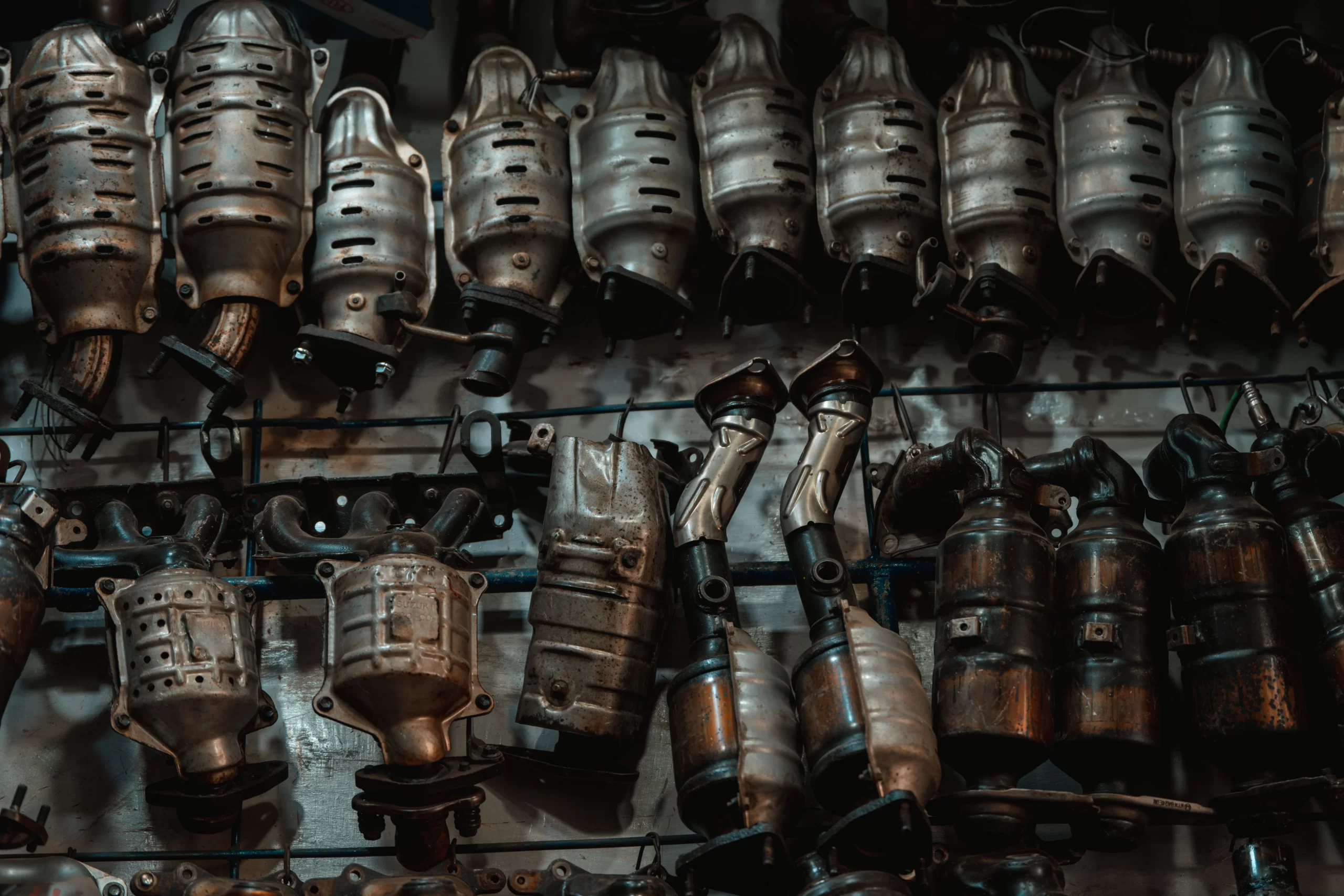

Key Takeaways
- Incoming material data supports sorting and commercial decisions.
- Gravimetric drying measures loss on drying.
- XRF provides an initial view of sample composition.
- Fire assay produces a bead for further testing.
- ICP-OES measures the precious metals in the dissolved bead.
- Good sampling and homogenization support useful results.
- Clear reports help processors plan refining discussions.
Why does material analysis matter to processors?
Material analysis gives processors a sound basis for handling each lot. It replaces broad assumptions with sample data that can support sorting, pricing discussions, and refining plans. Not every incoming load has the same composition. Even when the material comes from the same broad source, a processor still needs to understand the sample that represents the lot. Without that information, teams may have less certainty when they group material or discuss its value. This matters across the recycling chain. Collectors need clear data when trading material. Decanning companies need to understand the processed output. Milling and homogenization facilities need results that relate to the prepared sample. Refineries also need a reliable basis for later recovery work. The wider role of recycled catalyst material is well established. The U.S. Geological Survey provides public background on platinum recycling and spent automotive catalysts. For a processor, the practical point is simple: useful recovery decisions begin with sound material information.How does testing fit into the recovery workflow?
Testing connects sample receipt with later commercial and refining decisions. Each analytical stage answers a different question about the material.What happens when a sample arrives?
What does XRF show?
XRF provides an initial assessment of composition and approximate precious metal concentration. These early findings guide the next stage of the analytical process. The laboratory uses the preliminary XRF results to adjust the fire assay and determine which additional components are required. This makes XRF a useful screening stage, but it is not the final measurement in the full method. Public technical references also recognize used auto catalysts as a distinct material type. The National Institute of Standards and Technology publishes a reference table for used auto catalysts, showing the importance of clearly defined material in technical work.How do fire assay and ICP-OES work together?
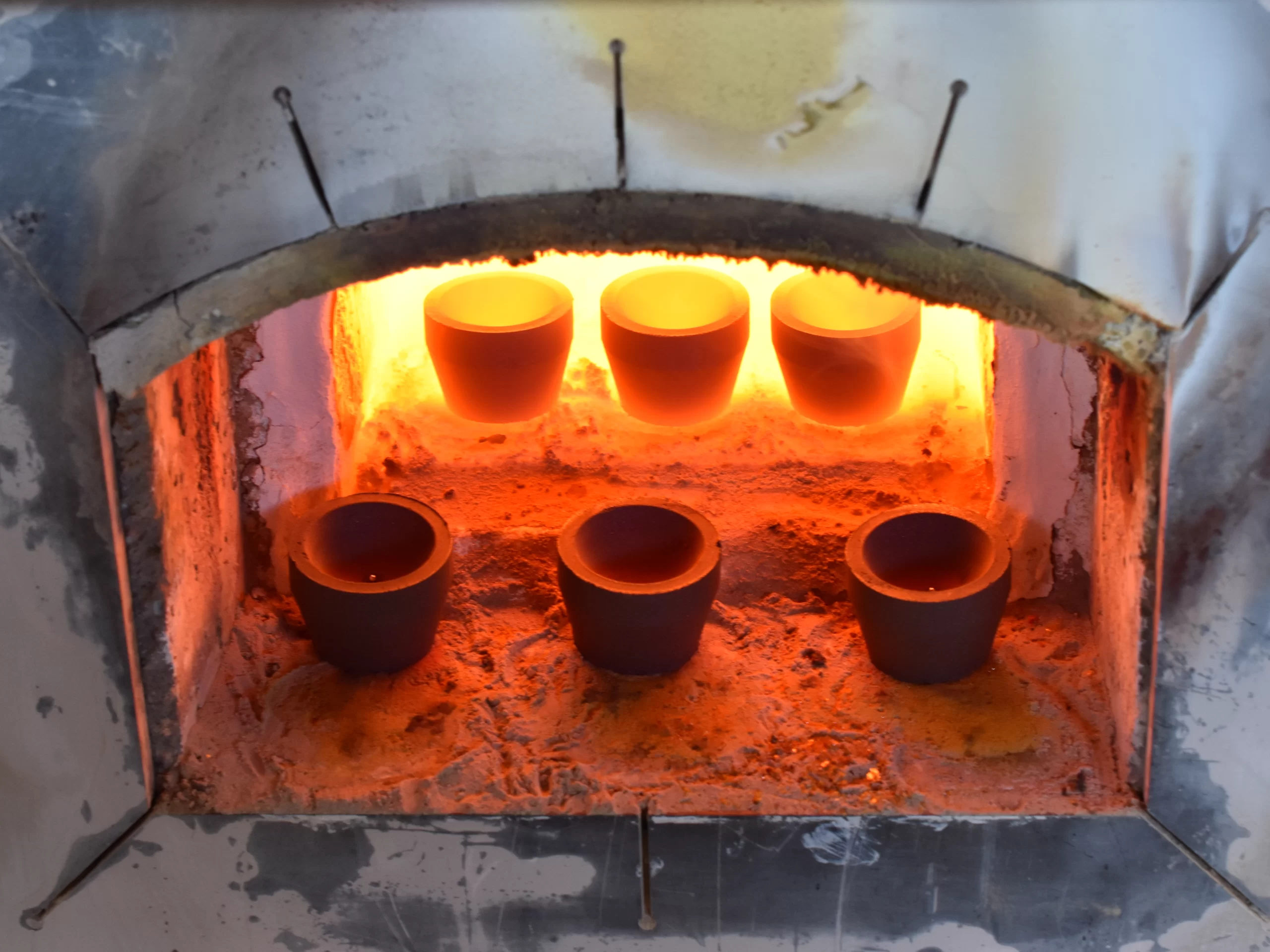
Fire assay produces a bead, also called a prill. The bead is then dissolved and analysed by ICP-OES to determine the quantities of precious metals that were present in the original sample. The combined use of XRF, fire assay, and ICP-OES is considered one of the most accurate approaches for platinum group metal testing. Metralis uses this sequence for automotive and industrial catalytic converters.What does each analytical stage show?
Each stage has a clear role, from moisture-related measurement to the final determination of metal quantities. The table shows how processors can read the workflow.| Stage | Purpose | Value for processors |
|---|---|---|
| Loss on drying | Measures change through gravimetric drying | Supports a clearer reading of the received sample |
| Sample preparation | Prepares material for the analytical sequence | Connects the submitted sample with later testing |
| XRF | Assesses composition and approximate concentration | Provides an early view of the material |
| Fire assay | Produces a bead or prill | Concentrates the target metals for final measurement |
| ICP-OES | Analyses the dissolved bead | Determines precise quantities in the original sample |
How can results support sorting and pricing decisions?
Results help processors compare lots using measured information rather than visual judgment alone. They can also provide a clearer basis for talks with suppliers, buyers, and refining partners. A report does not set a purchase price by itself. Commercial terms can depend on the agreement between the parties. However, measured platinum, palladium, rhodium, silver, and gold content can help a business explain how it assessed a lot. This is useful for companies asking how to sell catalytic converter material through a business supply chain. The stronger question is not only who will buy it, but also what sample data will support the transaction. Businesses searching for where can I sell catalytic converters often focus first on the buyer. Processors should also check how the material will be sampled, prepared, analysed, and reported. Clear steps reduce uncertainty during commercial review.How should a processor use laboratory data?
A processor should connect each report to the relevant sample and business lot. The data can then inform internal sorting, supplier talks, and refining strategy.- Identify which incoming lot the submitted sample represents.
- Review loss on drying before comparing results between samples.
- Use the XRF assessment as preliminary information.
- Review the fire assay and ICP-OES outcome for final metal quantities.
- Keep reports linked to internal lot and transaction records.
- Share relevant findings with trading or refining partners.
Which metals can Metralis analyse?
For automotive and industrial catalyst samples, Metralis analyses platinum, palladium, and rhodium. An extended scope can also include silver and gold. The exact analytical scope therefore covers Pt, Pd, Rh, Ag, and Au where relevant. This gives processors access to data for the core platinum group metals, with added coverage for silver and gold when included in the work. Metralis is based at Liubčios g. 8, Vilnius, LT-14310, Lithuania, and works internationally. Companies may contact the laboratory at sales@metralis.eu to discuss catalyst sample testing and the required scope.Summary
Processors need reliable sample information before they can make well-supported sorting, trading, pricing, and refining decisions. Gravimetric drying, XRF, fire assay, and ICP-OES each serve a clear purpose in the workflow. Metralis supports collectors, traders, decanning firms, milling and homogenization facilities, recyclers, and refineries with transparent precious metal analysis. Its internationally oriented laboratory service helps businesses understand catalyst samples through a defined analytical sequence.Frequently Asked Questions
Helpful answers about precious metal analysis, recyclable materials, laboratory testing, and the analytical data businesses need to make confident commercial and operational decisions.
Which metals are measured in catalyst material?
Metralis measures platinum, palladium, and rhodium in automotive and industrial catalyst samples. The analytical scope can also extend to silver and gold. This means testing may cover Pt, Pd, Rh, Ag, and Au, depending on the requested work and the material submitted to the laboratory.
Is XRF the final testing step?
No. XRF gives an initial assessment of sample composition and approximate precious metal concentration. Metralis uses those preliminary findings to adjust the fire assay and identify the added components needed for that stage. The resulting bead is dissolved and measured through ICP-OES for precise quantities.
Why is loss on drying included?
Loss on drying records the change measured through gravimetric drying. It forms part of the defined analytical sequence for automotive and industrial catalyst samples. For processors, this result provides useful context when they review the sample and compare its reported precious metal content with other submitted material.
Who can use this laboratory service?
The service is relevant to companies that collect, trade, process, mill, homogenize, decan, recycle, or refine catalyst material. These businesses can use laboratory findings to support internal sorting, commercial review, and refining discussions. Metralis works internationally from its laboratory in Vilnius, Lithuania.
How can a business request sample testing?
A business can contact Metralis at sales@metralis.eu to discuss its catalyst sample and required analytical scope. The company should provide clear information about the submitted material and its testing needs. Metralis can then address the relevant analysis for automotive or industrial catalyst samples within its confirmed service scope.