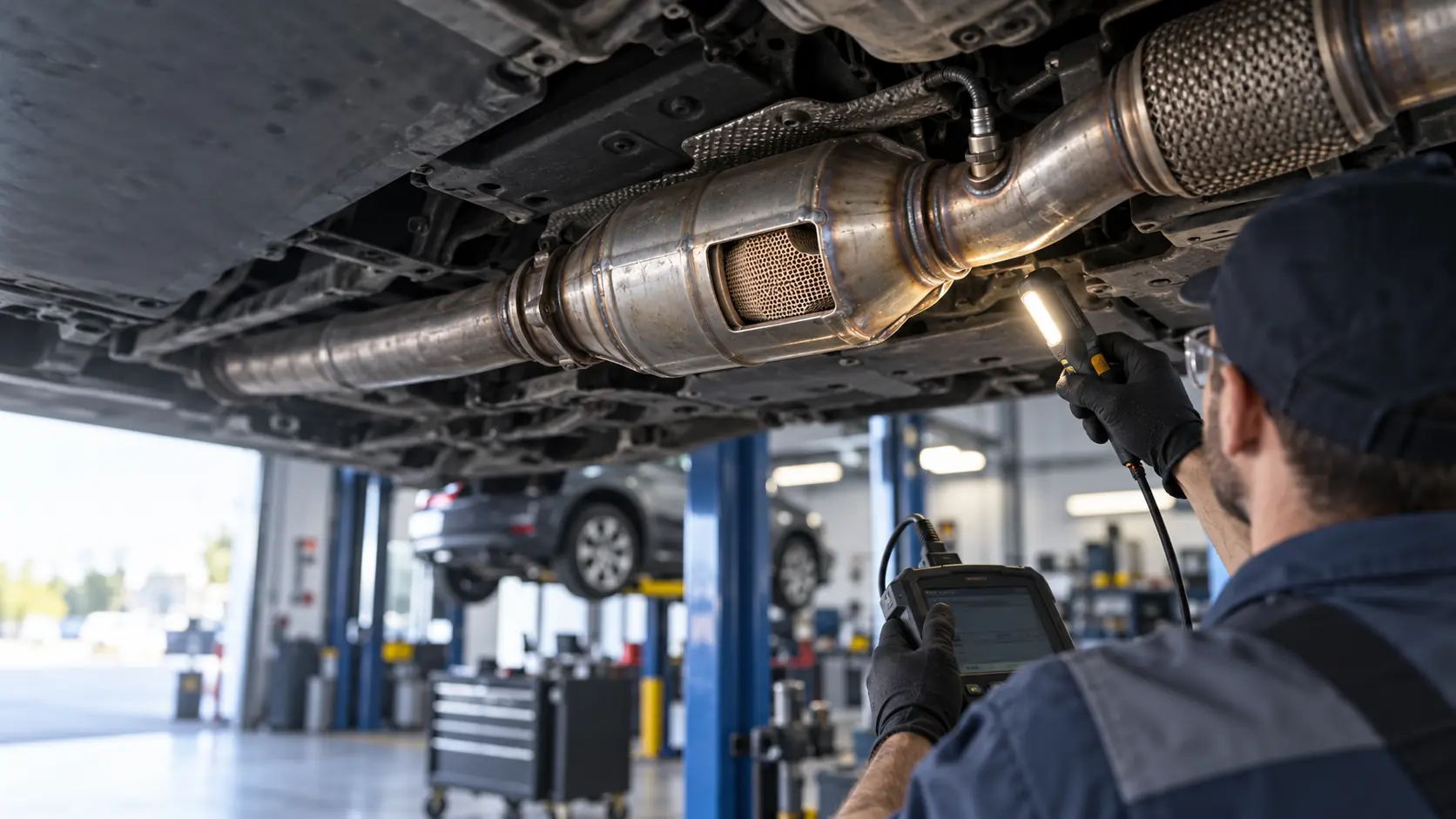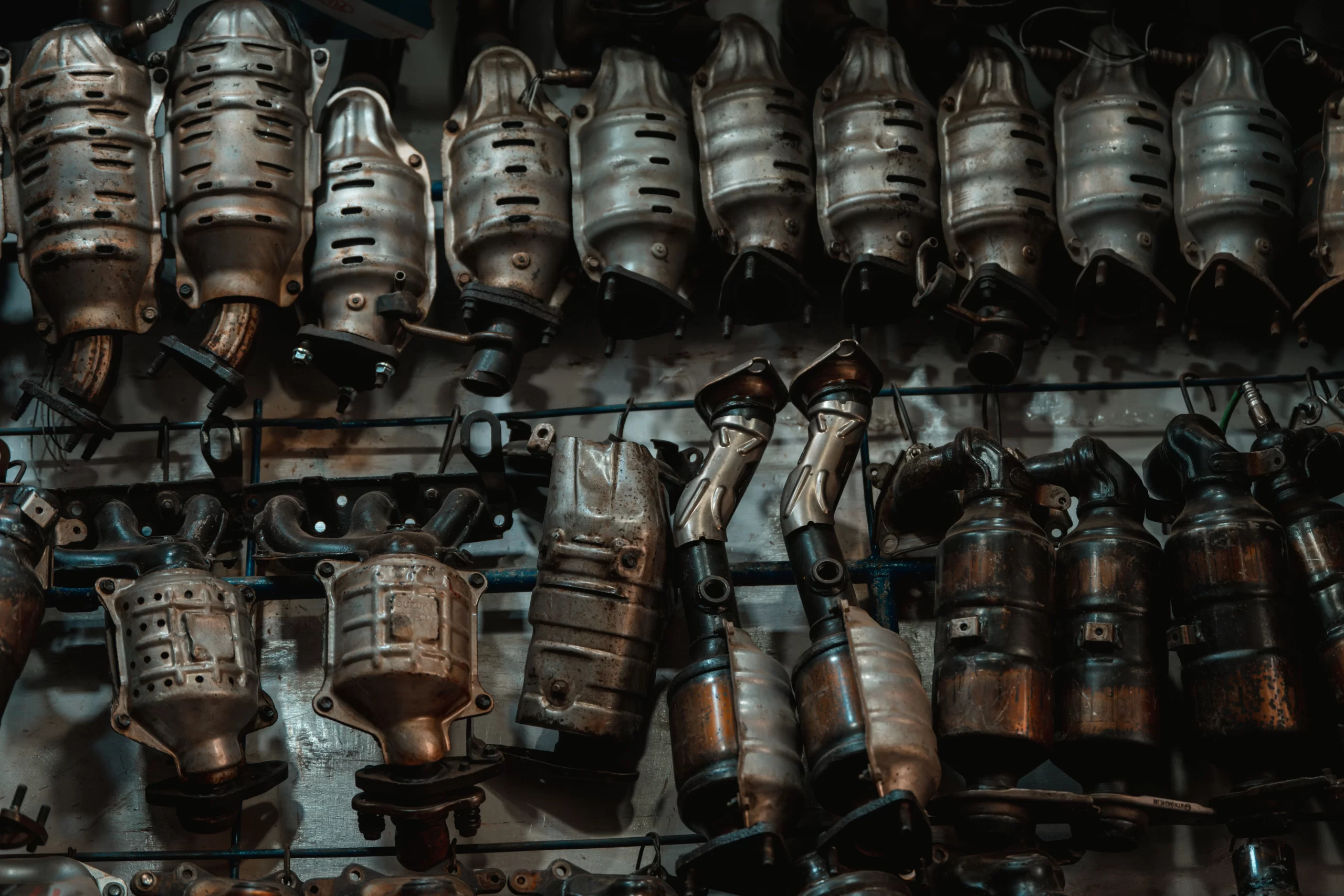

Introduction: A vehicle owner may have a legitimate catalytic converter to sell after an approved replacement, a repair, or the lawful dismantling of an end-of-life vehicle. Selling it safely starts with proof of ownership, a reputable buyer, and a clear record of the deal. Local laws differ, so check the rules on seller identification, buyer licensing, payment, and ownership records before arranging a sale.
Key Takeaways
- Confirm that you legally own the removed unit.
- Keep repair invoices and related vehicle records.
- Do not cut, clean, or alter the material.
- Compare several established recycling businesses.
- Treat online values as estimates, not firm offers.
- Meet buyers at a secure business location.
- Get a receipt and retain it with your records.
When can you legally sell a used unit?
You can generally consider a sale when the part came from a vehicle you own and was removed for a valid reason. Common cases include replacement during a repair or lawful vehicle dismantling.
Legal duties vary by location. Some areas set detailed rules for purchases of detached units. For example, the Minnesota Legislature sets record, payment, and seller identification provisions for certain purchases. This example does not define the law elsewhere, but it shows why checking local rules matters.
Ask the buyer what documents it needs before you travel. A legitimate business should be willing to explain its purchase policy. Never provide false vehicle details or sell material that you cannot link to lawful ownership.
How should you prepare the part and your documents?
Gather records first, then leave the unit in the condition in which it was removed. Clear evidence and an unaltered part make the proposed transaction easier to review.
Which records should you collect?
Keep the repair invoice, vehicle registration or title details where relevant, and any dismantling record you hold. Note the make, model, and other identifying details requested by the buyer.
Take clear photos from several angles. Include visible codes or markings without changing them. These images can help a buyer decide whether it accepts the material, though a final offer may still require an in-person check.
Should you clean or cut the unit?
No. Avoid cleaning, cutting, opening, crushing, or otherwise damaging it. An unknown or altered part may be harder for a buyer to identify and assess.
Do not remove material from inside. Keep the whole item secure until it reaches the recycler. If a repair shop removed it, ask the shop to note that fact on your invoice and return the old unit to you only when lawful and safe.
How can you find a legitimate local buyer?
Look for an established recycling business with a clear address, published contact details, and a stated material policy. Check reviews, licensing where relevant, collection terms, payment methods, and receipt practices.
A search for who buys catalytic converters near me may produce many results, but distance should not be your only test. Call several businesses and compare how clearly they answer basic questions. Vague terms, pressure, or requests to hide ownership details are warning signs.
What should you ask before visiting?
Use the same questions for each buyer. This makes the replies easier to compare and can prevent a wasted trip.
- Which ownership and identity documents are required?
- Do I need an appointment?
- Do you accept material from private vehicle owners?
- How will the unit be identified and inspected?
- Is the first figure an estimate or a firm offer?
- When and how is payment issued?
- Will I receive a receipt with the transaction details?
Why do offers vary between recycling businesses?
Offers can differ because buyers use their own purchasing criteria and evaluation steps. Vehicle application, original or aftermarket construction, internal condition, damage, and market movements may all affect the amount offered.
A scrap catalytic converters price list by vehicle can give you a starting reference. However, it should not be treated as a guaranteed quote. The listed vehicle may have had more than one unit type, or the removed item may differ from the original equipment.
Likewise, published catalytic converter scrap prices may not show how a buyer handles condition, identification, transport, or payment. Ask what the complete offer includes rather than focusing on one headline figure.
What does a buyer assess before making an offer?
The buyer may review the vehicle application, markings, construction, completeness, and visible condition. Its accepted-material policy also matters.
For businesses that need material testing rather than a consumer quote, laboratory catalytic converter analysis can measure platinum, palladium, and rhodium, with an extended scope that may include silver and gold. Metralis uses gravimetric loss on drying, sample preparation, XRF, fire assay, and ICP-OES for catalyst samples.
What should you compare besides the headline figure?
Compare documentation, inspection terms, payment timing, travel or collection needs, and the final amount. A higher early estimate may be less useful if key terms remain unclear.
What does a fair comparison show?
The table below shows the main points to record when comparing buyers. Ask each business for the same details.
| Comparison point | What to confirm | Why it matters |
|---|---|---|
| Quoted amount | Estimate or firm offer | Prevents confusion after inspection |
| Documents | ID and ownership evidence | Supports a traceable sale |
| Inspection | Where and how it occurs | Clarifies how the offer is set |
| Payment | Method and issue date | Helps you spot unusual terms |
| Receipt | Details included in writing | Creates a record for both parties |
The catalytic converter scrap value offered by one recycler may therefore differ from another. Request written terms where possible, especially if collection or later inspection could change the amount.
How can you avoid fraud and personal safety risks?
Use a known business location, keep your records, and reject requests that seem designed to hide the sale. Do not meet an unknown buyer in an isolated place.
Be cautious with cash-only requests, overpayment claims, fake payment notices, and pressure to act at once. The Federal Trade Commission warns online sellers not to rely on payment messages alone and explains common overpayment and fake payment scams.
Do not send identity documents through an unverified channel. Ask how personal data will be handled. At the sale, check the receipt before leaving and keep copies of messages, quotes, ownership records, and payment evidence.
What simple decision path should you follow?
Confirm ownership and legal duties first. Then gather records, contact several buyers, compare full terms, complete the sale securely, and retain the paperwork.
- Confirm that the unit is lawfully yours to sell.
- Check local seller and buyer requirements.
- Collect invoices, vehicle details, and clear photos.
- Call several established recycling businesses.
- Compare complete offers rather than headline figures.
- Use a safe location and verified payment method.
- Keep the receipt and all related records.
Summary
A safe sale depends on lawful ownership, good records, an established buyer, and clear payment terms. Treat every catalytic converter price reference as a starting point until the buyer confirms its inspection and purchase terms. For companies that require accurate, transparent precious metal analysis of prepared catalyst samples, Metralis serves international recycling, trading, processing, milling, homogenizing, decanning, and refining businesses. Enquiries can be sent to sales@metralis.eu.
Frequently Asked Questions
Helpful answers about precious metal analysis, recyclable materials, laboratory testing, and the analytical data businesses need to make confident commercial and operational decisions.
Can I sell a damaged unit?
A buyer may accept a damaged unit, but its condition can affect identification, inspection, and the offer. Do not make further cuts or remove internal material. Take clear photos and describe the damage before visiting. Ask whether the buyer accepts incomplete units and which ownership records it requires. A refusal does not mean another business will use the same criteria.
What documents might a buyer request?
A buyer may request photo identification, a repair invoice, vehicle registration or title information, or a dismantling record. The exact requirements depend on local law and the buyer’s policy. Contact the business first and ask which original records or copies are needed. Never alter documents or provide vehicle details that you know are false.
Why can a quote change after inspection?
An early quote may rely on photos, vehicle details, or visible markings. An in-person check may reveal different construction, damage, missing material, or another issue that affects the buyer’s criteria. Before handing over the unit, ask the buyer to explain any revised amount. You can decline the deal if the final terms do not suit you.
What if no nearby buyer accepts the material?
Expand your search to established recyclers in nearby towns and ask whether they offer a documented collection or shipping route. Confirm their material policy, document needs, inspection terms, and payment method before sending anything. Do not use an unverified social media buyer merely because local businesses declined the unit. Keep it secure while you research lawful alternatives.
Is the highest online estimate always the best offer?
No. An online catalytic converter scrap price may be an initial estimate rather than the amount paid after inspection. Compare payment timing, travel or collection costs, document rules, possible deductions, and receipt quality. A slightly lower but clear offer from an established business may carry less risk than a high figure with vague or changing terms.