
Introduction: ICP-OES measures how much of a target element is present in a prepared sample. For businesses handling spent catalysts and other recyclable materials, those results help turn a mixed material into a clearer set of figures. However, the instrument is only one part of the work. With ICP metal analysis, the sample, preparation method, and target metals all matter when interpreting the final result.
Key Takeaways
- ICP-OES measures elemental concentrations in prepared samples.
- The method can measure several elements in one analysis.
- Sensitivity depends on the element and sample conditions.
- Metralis uses ICP-OES after fire assay for catalyst samples.
- Catalyst and electronic scrap testing follow different analytical routes.
- Detailed results help businesses assess metal-bearing materials.
What does ICP-OES measure in a metal sample?
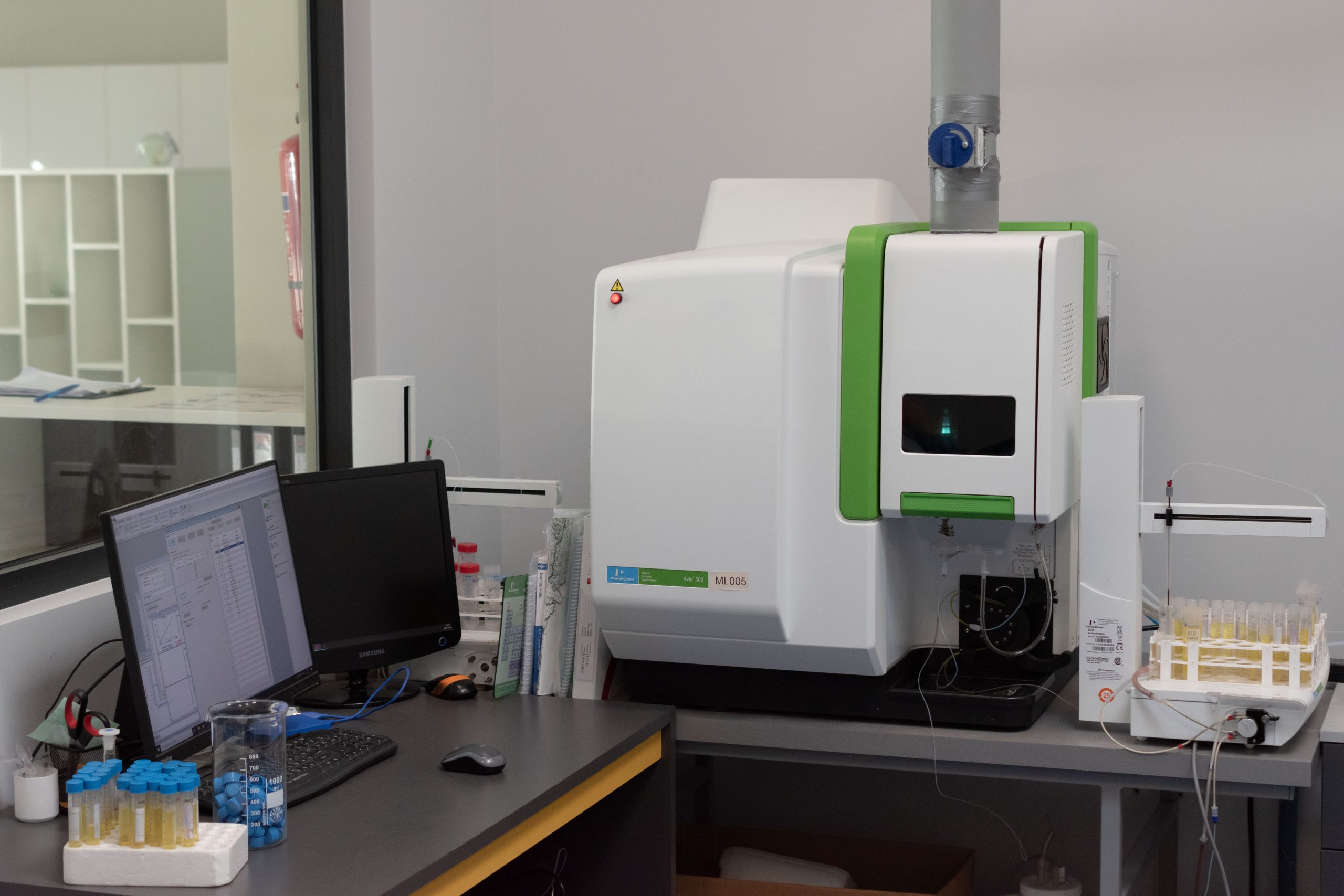
ICP-OES measures the concentration of selected elements in a prepared sample solution. The full name is inductively coupled plasma optical emission spectrometry. The method uses light emitted by excited atoms and ions to identify and measure elements. As described in EPA Method 6010D, ICP-OES supports multi-element determinations, so an analysis can cover several target elements rather than just one.
For a client, the key distinction is between measuring elements and identifying complete compounds. A result for platinum tells you about the amount of platinum, not the full chemical form in which it first entered the sample. That makes elemental analysis of metals useful when the main question is which target metals are present and how much of each the tested material contains.
- 1Target elementIdentify the element to be measured. Sensitivity can differ between elements.
- 2Sample solutionConsider the specific sample solution. It can affect sensitivity and potential interference.
- 3Spectral interferenceCheck possible spectral interference for the element and sample solution being analysed.
How does Metralis use ICP-OES for catalyst samples?
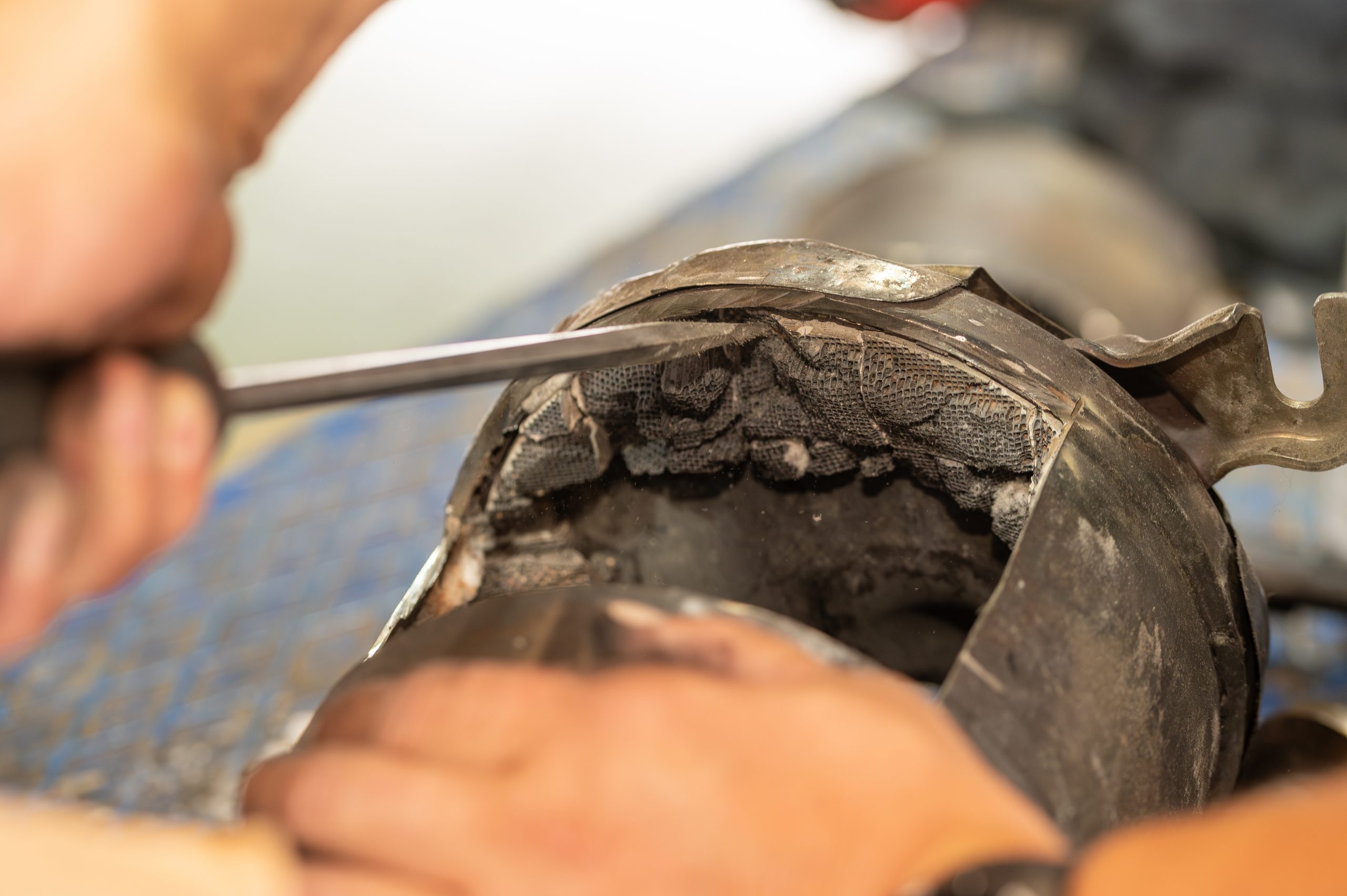
Metralis uses ICP-OES to measure precious metals after fire assay of automotive and industrial catalyst samples. Its catalyst testing covers platinum, palladium, and rhodium, with an extended scope that can include silver and gold. The full workflow includes loss on drying, sample preparation, XRF, fire assay, and ICP-OES. Each stage has a distinct role, so the final measurement should not be viewed as an isolated instrument reading.
After receiving a catalyst sample, Metralis uses XRF for an initial view of its composition and approximate precious metal concentration. Those preliminary results guide adjustments to the fire assay process and help determine the additional components required for the analysis. Loss on drying uses gravimetric drying. These steps form part of the analytical route before the final ICP-OES measurement.
What the catalyst testing stages show
| Stage | Role in the catalyst analysis |
|---|---|
| Loss on drying | Measures drying-related mass loss by a gravimetric method. |
| Sample preparation | Prepares the catalyst sample for the analytical workflow. |
| XRF | Provides an initial composition assessment and approximate precious metal concentration. |
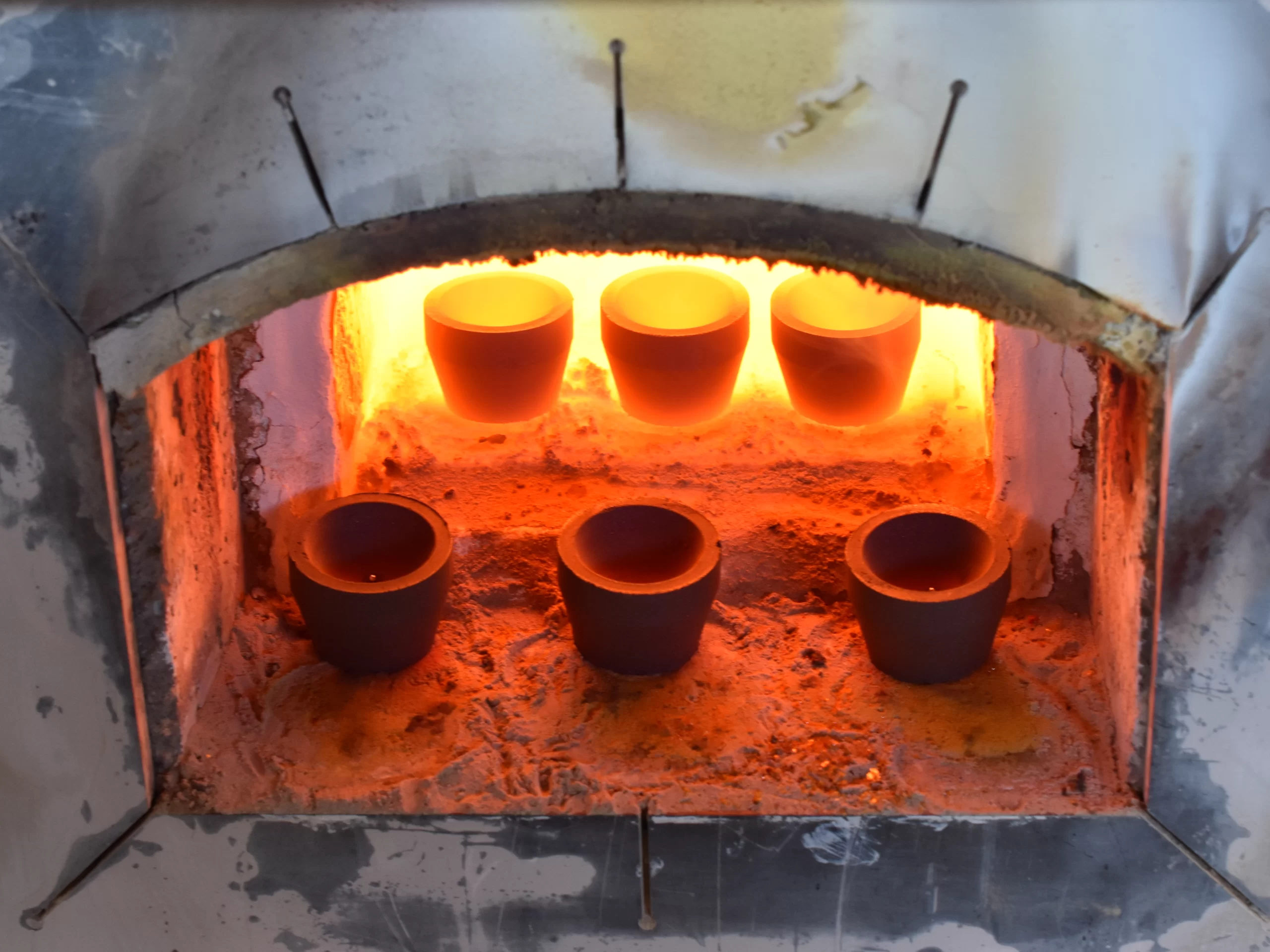
| Fire assay | Produces a bead, also called a prill. |
| ICP-OES | Analyses the dissolved bead to determine precious metal quantities. |
The fire assay bead is dissolved before ICP-OES analysis. The resulting measurement determines the precise quantities of precious metals originally present in the catalyst sample. For clients comparing testing services, that sequence is important: metal analysis by ICP-OES describes the measurement method, while the preceding work explains how the laboratory reaches that measurement.
Material type also matters. Metralis analyses pyrite-based electronic scrap for gold, silver, palladium, and copper using fire assay and micro-XRF. Electronic parts and printed circuit boards follow sample preparation, fire assay, and micro-XRF. Clients should therefore confirm the route for their material rather than assume that all recyclable samples receive ICP-OES testing.
How should businesses use detailed elemental results?
Businesses should use detailed elemental results to assess the tested material against their specific trading, processing, or refining needs. A profile of several target metals gives more useful detail than a single combined figure. However, the report must match the material and the agreed analytical scope. Start by confirming which elements the laboratory will report and how the sample will be tested.
Broad search terms can hide those distinctions. A request for ICP-OES analysis for heavy metal testing or ICP heavy metal analysis does not define a complete test plan. Give the laboratory the material type and a clear list of target elements. For useful metals analysis, ask these questions before sending a sample:
- Does the service cover this material in its supplied form?
- Which target elements fall within the agreed scope?
- Which methods will support the final results?
- How should the reported values be read?
Summary
ICP-OES quantifies selected elements, but sound analysis of metals also depends on the work before measurement. Metralis combines XRF, fire assay, and ICP-OES for catalyst samples and uses separate confirmed routes for electronic materials. For businesses seeking elemental analysis of metals, the practical first step is to discuss the material and target elements with the laboratory at sales@metralis.eu.
Frequently Asked Questions
Helpful answers about precious metal analysis, recyclable materials, laboratory testing, and the analytical data businesses need to make confident commercial and operational decisions.
Can ICP-OES measure several metals at once?
Yes. ICP-OES supports multi-element measurement, which makes it useful when a sample contains several target metals. However, the agreed test scope still matters. Ask the laboratory which elements it will measure for your material rather than assume that every possible metal appears in the final report.
Does ICP-OES measure solid catalyst material directly?
In the confirmed Metralis catalyst workflow, ICP-OES analyses the dissolved bead produced by fire assay. The laboratory does not describe the final measurement as a direct reading of untreated catalyst material. XRF provides an earlier assessment of composition and approximate precious metal concentration before the fire assay stage.
Which catalyst metals can Metralis analyse?
Metralis analyses platinum, palladium, and rhodium in automotive and industrial catalyst materials. Its extended analytical scope can also include silver and gold. Clients should confirm the required element list when discussing a sample, especially when they need results for metals beyond the core platinum group metal scope.
Is ICP-OES suitable for low concentrations?
ICP-OES is used in trace element analysis, but there is no single sensitivity figure that suits every element and sample. The sample solution and potential interference affect measurement. Ask the laboratory whether its method can address the concentration range relevant to your material and business needs.
Does Metralis use ICP-OES for all electronic scrap?
No. Metralis confirms fire assay and micro-XRF for pyrite-based electronic scrap supplied as powder or melted material. For electronic parts and printed circuit boards, the route includes sample preparation, fire assay, and micro-XRF. Those services cover gold, silver, palladium, and copper, rather than a universal ICP-OES test package.