
Key Takeaways
- Converter value depends mainly on measurable precious metal content.
- Platinum, palladium, and rhodium levels can vary between materials.
- A representative, well-prepared sample is vital for reliable results.
- XRF offers a useful initial assessment, not the final answer alone.
- Fire assay and ICP-OES support precise precious metal measurement.
- Moisture must be considered when comparing results and settlements.
- Independent analysis can reduce pricing gaps and trade disputes.
What gives recovered converter material its value?
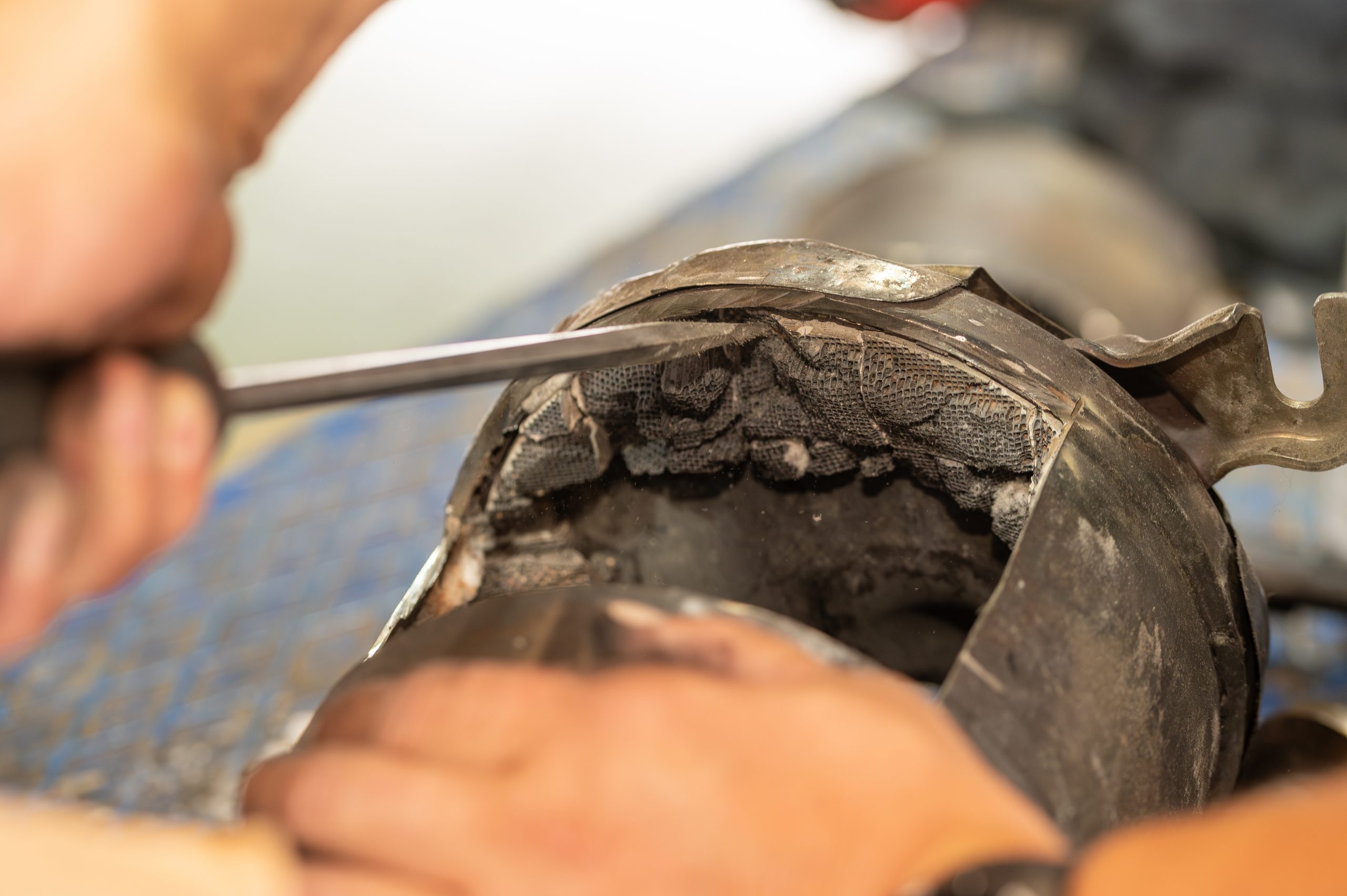
Recovered converter material has value because it may contain platinum, palladium, and rhodium. The amount of each metal present in the tested sample is central to any sound commercial assessment. A road vehicle unit uses precious metals as part of its emissions control function. Industrial catalyst materials can also contain valuable metals. A clear explanation of what a converter does and why its material matters helps connect the original function of the unit with its later recycling relevance. The outer casing does not reveal the precise metal concentration inside. Even when a buyer knows the unit type or source, that information does not replace material testing. Physical condition, mixed batches, moisture, sample quality, and the way material has been processed can all affect how well a sample represents the wider lot. The catalytic converter scrap value of a processed batch therefore starts with a basic question: what does the material actually contain? Laboratory results provide the evidence needed to answer it.Which precious metals are commonly measured?
Platinum, palladium, and rhodium are the main precious metals measured in automotive and industrial catalyst samples. An extended analytical scope may also include silver and gold. The required scope should be clear before testing begins. Metralis covers Pt, Pd, Rh, Ag, and Au for automotive and industrial catalyst materials where the requested scope calls for them. This allows the analysis plan to reflect the material and the commercial purpose of the test. The U.S. Geological Survey platinum-group metals summary provides wider mineral market context for platinum-group metals. Laboratory reports, however, address the composition of a supplied sample rather than broad market conditions.Why does metal content vary?
Metal content varies because not every unit or processed lot has the same material composition. A label, model reference, or past buying record may guide an early estimate, but it cannot confirm the content of the sample at hand. Businesses may handle individual units, grouped material, decanned material, milled powder, or homogenized batches. The more material is combined, the more important representative sampling and preparation become. A small but unrepresentative portion can give a distorted view of the whole lot. For a closer look at variation, the guide to how much platinum a converter may contain explains why laboratory confirmation carries more weight than a general assumption based on unit type.How is commercial value usually assessed?
Commercial value is usually assessed by combining analytical composition with the agreed commercial terms. The laboratory establishes metal quantities in the sample, while the trading parties apply their own settlement terms. A quoted catalytic converter price may be an estimate, a purchase offer, or a result-based settlement figure. Those are not the same thing. Businesses should ask what evidence supports the number, which metals it covers, and whether it refers to a whole unit, a processed batch, or a dry analytical basis. It is also important to separate analytical facts from commercial calculations. A laboratory can determine the quantities of specified metals in the material supplied for testing. The final transaction may also reflect the contract between buyer and seller. Clear records keep these two parts distinct.What factors should a pricing review include?
A pricing review should include the material identity, lot structure, sampling basis, moisture treatment, measured metal content, and the terms used to turn results into an offer or settlement. Companies should check whether all parties refer to the same batch and the same analytical scope. If one side discusses only platinum and palladium while the other expects rhodium to be included, even accurate numbers can lead to confusion.What commercial factors affect a value review?
This table shows the main questions that buyers and sellers should address when reviewing analytical value.| Factor | Why it matters | Useful question |
|---|---|---|
| Material form | A whole unit, powder, or prepared sample does not provide the same basis for assessment. | What material was supplied for analysis? |
| Sample representation | The tested portion must reflect the lot if results will support a wider settlement. | How does the sample relate to the full batch? |
| Moisture | Water adds mass but does not add precious metal. | Are results compared on the same moisture basis? |
| Analytical scope | The parties must agree which metals are being measured. | Does the scope cover Pt, Pd, Rh, Ag, or Au as required? |
| Testing pathway | Different stages provide different types of information. | Was the result preliminary or based on the full method sequence? |
| Commercial terms | Measured content and the final payment calculation are separate matters. | How will the analytical result be applied? |
Why is laboratory analysis stronger than a visual estimate?
Laboratory analysis measures the sample, while a visual estimate relies on indirect signs. Appearance may help identify or sort material, but it cannot show precise precious metal quantities. Visual checks still have a practical role. They can support intake records and help separate obvious material groups. Problems arise when appearance becomes the only basis for a high-value transaction. Reliable catalytic converter testing gives procurement and sales teams evidence they can record, review, and compare. When the same batch supports a trade between several businesses, a documented analytical pathway can also reduce later questions about how the result was reached.How can testing support fair buying?
Testing supports fair buying by giving both sides a shared factual reference. It makes it easier to discuss composition rather than relying on catalogue expectations or visual judgment. The practical guide to how testing supports fair buying decisions explains how analytical evidence can reduce uncertainty during purchasing. This matters for regular suppliers as well as one-off lots, since material history does not guarantee the composition of a new batch. Testing also helps teams learn from prior transactions. If intake categories repeatedly show different results, a company can review how it sorts, samples, or groups material. That review should rely on recorded results rather than memory or informal assumptions.When should an independent laboratory be involved?
An independent laboratory is useful when material value depends on composition, when counterparties need a neutral result, or when internal screening does not provide enough certainty. Testing can support purchase reviews, sales discussions, processing decisions, and refinery-facing documentation. It is especially relevant for collectors, traders, decanning firms, milling and homogenization facilities, recyclers, and refineries handling valuable catalytic material. Independence does not remove the need for a representative sample. A precise test of the wrong portion will not describe the full lot. Sampling responsibility and analytical responsibility should therefore be clear before material is submitted.How does the analytical process work?
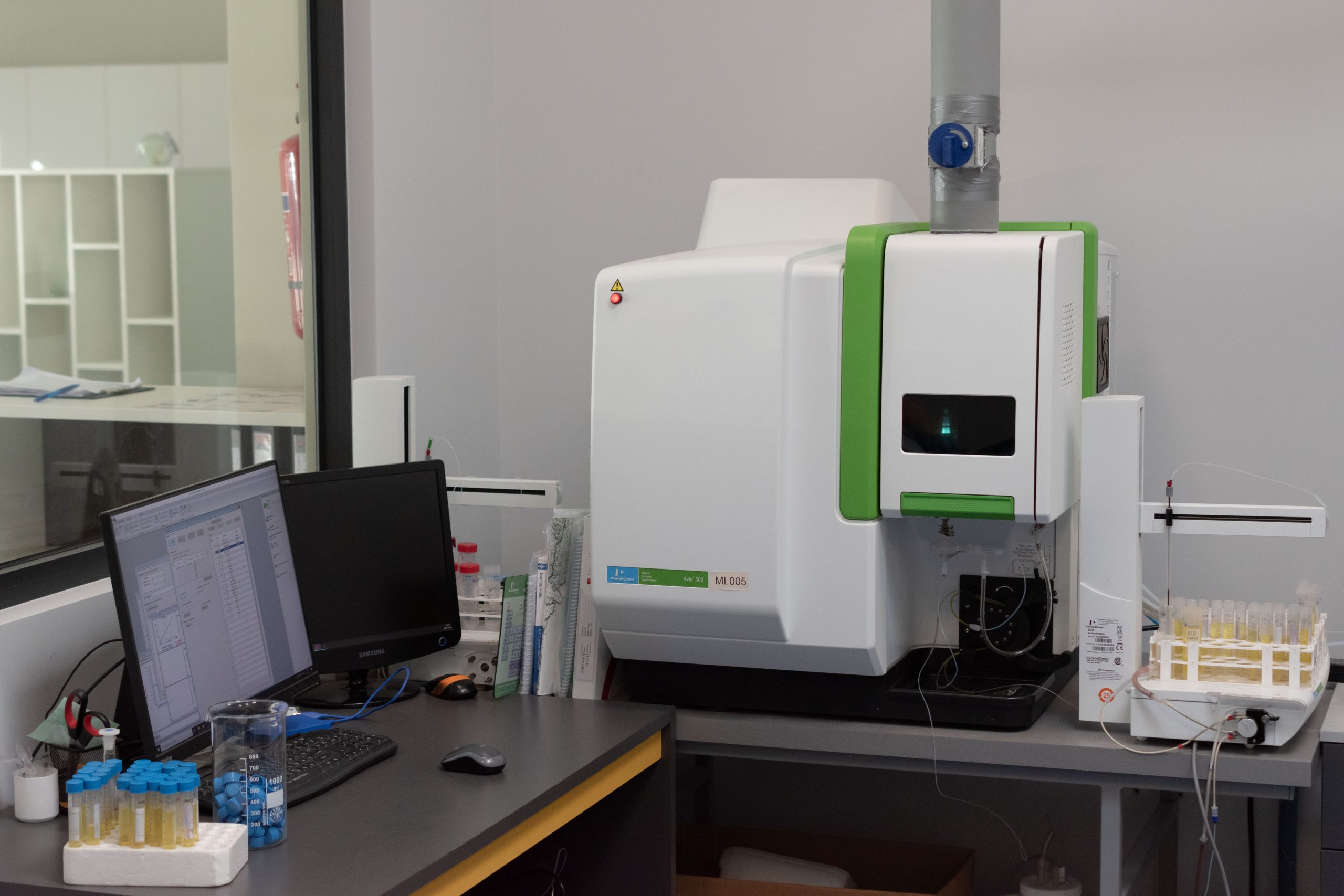
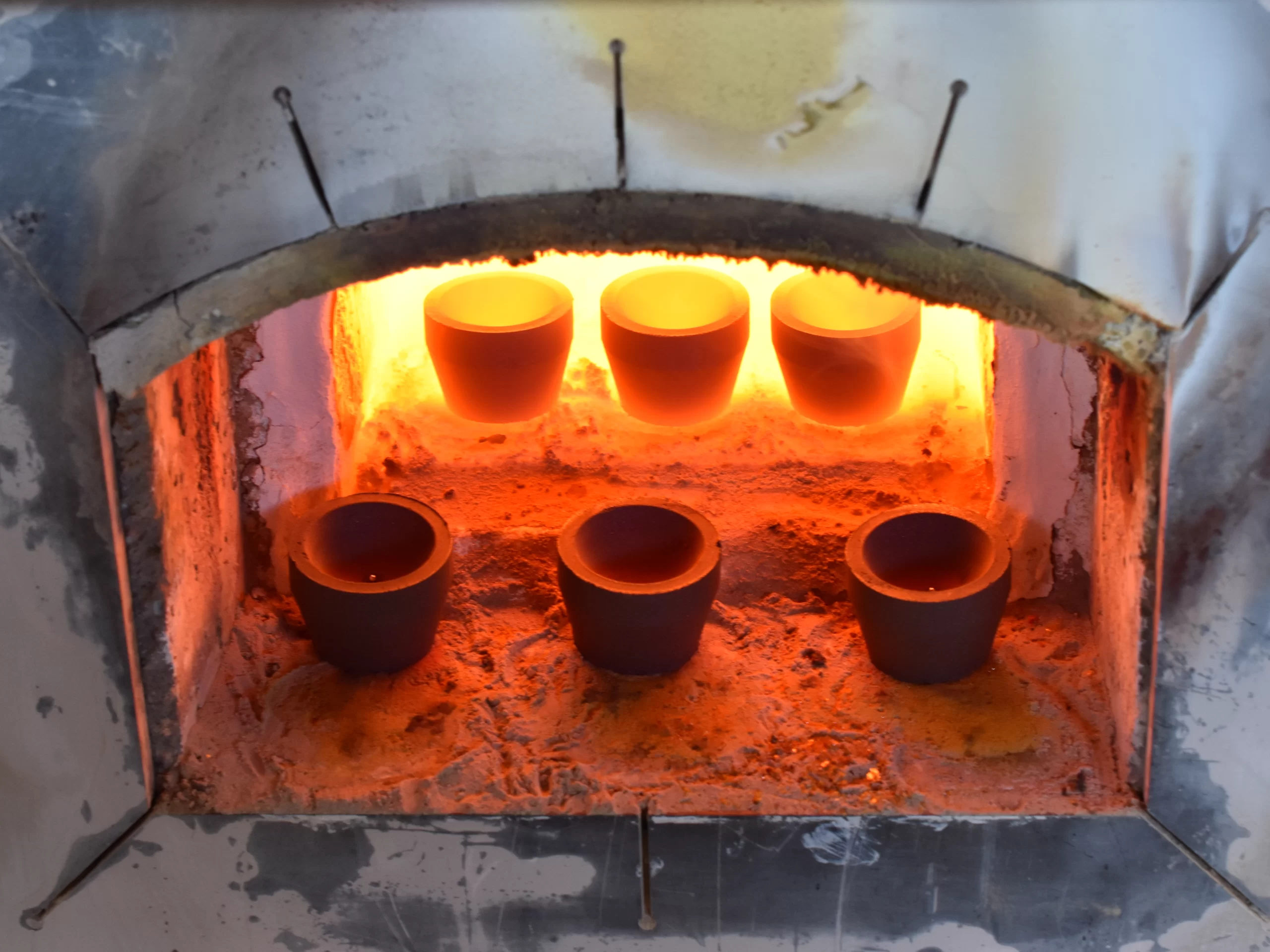
The process for catalyst samples combines loss on drying, sample preparation, XRF analysis, fire assay, and ICP-OES. Each stage contributes a different part of the final analytical picture. After receipt, the sample first undergoes an initial composition assessment by XRF. The preliminary findings help adjust the fire assay process and determine the additional components required for the analysis. Fire assay then produces a bead, also called a prill. That bead is dissolved and analysed by ICP-OES to determine the precise quantities of precious metals originally present in the sample. The combination of XRF, fire assay, and ICP-OES is considered one of the most accurate approaches for platinum-group metal analysis. It uses rapid initial assessment to guide a more complete measurement pathway, rather than treating one instrument reading as the whole answer.What happens during loss on drying?
Loss on drying establishes how much mass changes when the sample is dried. Metralis performs this stage through gravimetric drying. Moisture matters because it contributes to sample weight without contributing precious metal. If two parties compare results using different moisture assumptions, the figures may appear inconsistent even when the underlying material is the same. For commercial use, the basis of comparison should be explicit. Teams should record whether the discussion concerns the received material or a dry basis and ensure that all later calculations follow the agreed basis.What role does sample preparation play?
Sample preparation creates material suitable for the selected analytical stages. Its commercial purpose is to help the tested portion represent the submitted sample as reliably as possible. A laboratory result describes the material that reaches the analytical process. It cannot correct an unrepresentative selection made before submission. Companies that process larger lots should therefore keep clear records linking the laboratory sample to its source batch. Batch names, dates, internal reference numbers, and agreed test scope can help prevent mix-ups. These simple controls are often as important to a useful business decision as the number printed in the final result.What does XRF show?
XRF provides an initial assessment of sample composition and approximate precious metal concentration. Those preliminary results guide the next stage of the analysis. XRF testing for catalytic converters is valuable because it offers timely information about the material before fire assay. However, Metralis does not treat that initial assessment as a substitute for the complete catalyst workflow. The guide to XRF screening for catalytic materials explains when this method is useful and why it should sit within a broader expert process. For commercial users, the key point is simple: screening and precise final measurement serve different purposes.Why are fire assay and ICP-OES used together?
Fire assay produces a precious metal bead, and ICP-OES measures the dissolved bead to determine precise metal quantities. Together, these stages move from material treatment to quantitative analysis. The preliminary XRF result helps the laboratory adjust the fire assay process and select the additional components needed for the analysis. Once the prill has formed, it is dissolved and assessed by ICP-OES. This linked method sequence is important because each stage informs or supports the next. The result is not based on a shell code, a visual comparison, or a single approximate reading.What does each analytical stage contribute?
This table shows how the confirmed catalyst analysis stages support the final result.| Stage | Main purpose | Business relevance |
|---|---|---|
| Loss on drying | Uses gravimetric drying to assess mass change from drying. | Supports clear comparison of material on the stated moisture basis. |
| Sample preparation | Prepares the submitted material for analytical work. | Helps create a sound link between the sample and the reported result. |
| XRF analysis | Provides an initial view of composition and approximate precious metal concentration. | Guides the fire assay process and required additional components. |
| Fire assay | Produces a bead or prill for further analysis. | Forms a key part of precise precious metal determination. |
| ICP-OES | Analyses the dissolved prill. | Determines precise quantities of precious metals in the original sample. |
How should businesses interpret an analytical result?
Businesses should read a result in the context of the submitted sample, the requested metals, and the stated basis. A number without that context can be easy to misuse. First, confirm that the report reference matches the correct lot. Next, check the analytical scope. Then review how moisture was handled and whether the sample represents the full commercial batch. Finally, keep laboratory measurement separate from the payment formula. The laboratory result supplies composition data. Buyers and sellers still need clear terms for how they will use that data in their transaction.What questions should buyers ask?
Buyers should ask where the sample came from, how it relates to the lot, which metals were requested, and whether the available figure is preliminary or final.- Does the sample represent one unit, one material group, or a larger batch?
- Was the material supplied as prepared powder or in another agreed sample form?
- Which of Pt, Pd, Rh, Ag, and Au are included in the requested scope?
- Has loss on drying been considered?
- Does the commercial calculation use the same basis as the laboratory result?
- Can the result be traced to a clear batch reference?
What questions should sellers ask?
Sellers should ask how their material will be sampled, tested, and linked to the offered settlement. They should also request clarity about which metals form part of the commercial calculation.- Is the offer based on visual grading, preliminary screening, or full analysis?
- Will the seller receive or review the analytical result?
- How is the sample linked to the delivered material?
- Are moisture and material mass treated consistently?
- How will any difference between expected and measured content be handled?
How does analysis fit into recycling operations?
Analysis links incoming material with informed sorting, trading, processing, and refinery discussions. It helps a company understand what it handles before major commercial decisions are made. In catalytic converter recycling, the same result may inform more than one team. Purchasing may use it to review an intake decision. Processing staff may use it to understand a material group. Sales teams may use it when discussing a lot with a downstream partner. The guide to converter recycling for processors explains how material characterization can support the wider recovery workflow. The article keeps testing in its proper place: analysis supports decisions, while each business remains responsible for its own processing and commercial terms.Why do traceability and batch records matter?
Traceability connects a laboratory result with the material it is meant to describe. Without that connection, even precise analysis may have limited commercial use. Useful records can include the supplier reference, delivery date, batch ID, sample ID, material form, requested metals, and the result used in settlement. These records also help teams spot simple errors, such as applying one batch result to another shipment. Consistency matters when several firms handle the material before refining. A clear reference trail allows questions to be checked against records rather than reconstructed from memory.Can analysis help when units are damaged or failing?
Analysis can support recycling decisions after a unit leaves service, but it does not diagnose vehicle faults. Vehicle diagnosis and precious metal analysis answer different questions. Owners and automotive businesses looking for fault information can read about common converter problems, symptoms, and next steps. Once material enters a recycling or trading chain, laboratory work focuses on its composition rather than the reason the vehicle component failed.What causes pricing disagreements?
Pricing disagreements often arise from different assumptions about material identity, sampling, moisture, analytical scope, or the status of a result. Clear definitions can prevent many of these disputes. One party may use a catalogue expectation while another uses actual sample analysis. A buyer may refer to a preliminary XRF result while a seller assumes the figure came from the complete workflow. The parties may also apply different mass or moisture bases. A published catalytic converter scrap price cannot resolve these issues by itself. The figure still needs to relate to the tested material and the agreed commercial calculation.How can companies reduce avoidable disputes?
Companies can reduce disputes by agreeing on the sample, test scope, result status, and settlement basis before relying on the numbers.- Assign a clear reference to the material lot.
- Record how the submitted sample relates to that lot.
- Confirm which precious metals require analysis.
- Distinguish initial XRF findings from the final method sequence.
- Use a consistent moisture basis.
- Document how analytical results will inform the commercial outcome.
- Keep the laboratory report with the related batch records.
What should companies look for in an analytical partner?
Companies should look for a partner that explains the testing pathway, reports the requested metals clearly, and keeps preliminary assessment separate from precise final determination. Metralis is a Lithuania-based precious metal analysis laboratory at Liubčios g. 8, Vilnius, LT-14310, Lithuania. It works internationally with trading and recycling businesses, material collectors, catalytic converter decanning companies, milling and homogenization facilities, and refineries. For automotive and industrial catalyst samples, its confirmed process covers loss on drying, sample preparation, XRF, fire assay, and ICP-OES. The laboratory can analyse platinum, palladium, and rhodium, with an extended scope that can include silver and gold.Why does transparent method communication matter?
Transparent method communication helps commercial users understand what each result means. It also prevents an initial estimate from being presented as a final precise determination. Teams do not need to become laboratory specialists. They do need enough information to know what was tested, which stages were used, and how the report relates to their material. That shared understanding supports better internal review and clearer discussion with counterparties.Can the same laboratory assess electronic materials?
Yes. Metralis also analyses specified electronic material samples, though their confirmed methods and analytical scope differ from the catalyst workflow. Pyrite-based electronic scrap supplied as powder or melted material can be analysed for gold, silver, palladium, and copper using fire assay and micro-XRF. Electronic parts and printed circuit boards can be analysed for the same four metals through sample preparation, fire assay, and micro-XRF. These services are relevant when a business handles both catalytic and electronic material streams. However, the method for one material type should not be assumed to apply unchanged to another.How can a company prepare for useful testing?
What should be agreed before sending a sample?
The parties should agree on the sample identity, requested metals, intended use of the result, and the basis for any later comparison.- Give each sample a unique internal reference.
- State whether the material relates to automotive or industrial catalysts.
- Confirm whether the scope requires Pt, Pd, Rh, Ag, or Au.
- Explain which commercial batch the sample represents.
- Keep dispatch and batch records together.
- Use sales@metralis.eu for service enquiries and scope discussions.
Summary
The value of catalytic converters rests on measurable composition, not appearance alone. Platinum, palladium, and rhodium are central to catalyst analysis, while an extended scope may also cover silver and gold. Representative material, clear batch records, and a consistent moisture basis all affect how useful the result will be. Metralis combines gravimetric loss on drying, sample preparation, XRF, fire assay, and ICP-OES for automotive and industrial catalyst samples. XRF provides an initial assessment, fire assay produces the prill, and ICP-OES determines precise precious metal quantities. This transparent sequence helps internationally active collectors, traders, processors, decanning firms, milling and homogenization facilities, recyclers, and refineries make decisions based on analytical evidence rather than assumptions.Frequently Asked Questions
Helpful answers about precious metal analysis, recyclable materials, laboratory testing, and the analytical data businesses need to make confident commercial and operational decisions.
Can a unit code confirm the exact precious metal content?
No. A code or known unit type may support an early estimate, but it does not measure the material submitted for a transaction. Precious metal content can vary, and commercial batches may contain mixed or processed material. Laboratory analysis of a representative sample gives buyers and sellers stronger evidence than identification data or visual comparison alone.
Is XRF enough for a final settlement?
XRF provides a useful initial assessment of composition and approximate precious metal concentration. At Metralis, those findings help adjust the fire assay process and determine the additional components required for analysis. The complete catalyst pathway also uses fire assay and ICP-OES, so an initial XRF result should not be confused with the precise final determination.
Why is loss on drying important?
Loss on drying identifies the sample mass change caused by drying. Moisture adds weight without adding precious metal, so it can affect comparisons if buyers and sellers use different bases. Metralis performs loss on drying through gravimetric drying. Commercial parties should state clearly whether calculations refer to received material or a dry basis.
Which metals can Metralis analyse in catalyst samples?
Metralis analyses platinum, palladium, and rhodium in automotive and industrial catalyst materials. Its extended analytical scope can also include silver and gold, covering Pt, Pd, Rh, Ag, and Au. The requested scope should be confirmed for each sample so the laboratory work and later commercial review address the metals relevant to that material.
Who can benefit from independent catalyst analysis?
Independent analysis can support material collectors, converter traders, automotive recycling businesses, decanning companies, milling and homogenization facilities, processors, and refineries. It is useful when composition affects purchasing, settlement, sorting, or processing decisions. Companies can contact Metralis at sales@metralis.eu to discuss the material, requested analytical scope, and sample submission needs.