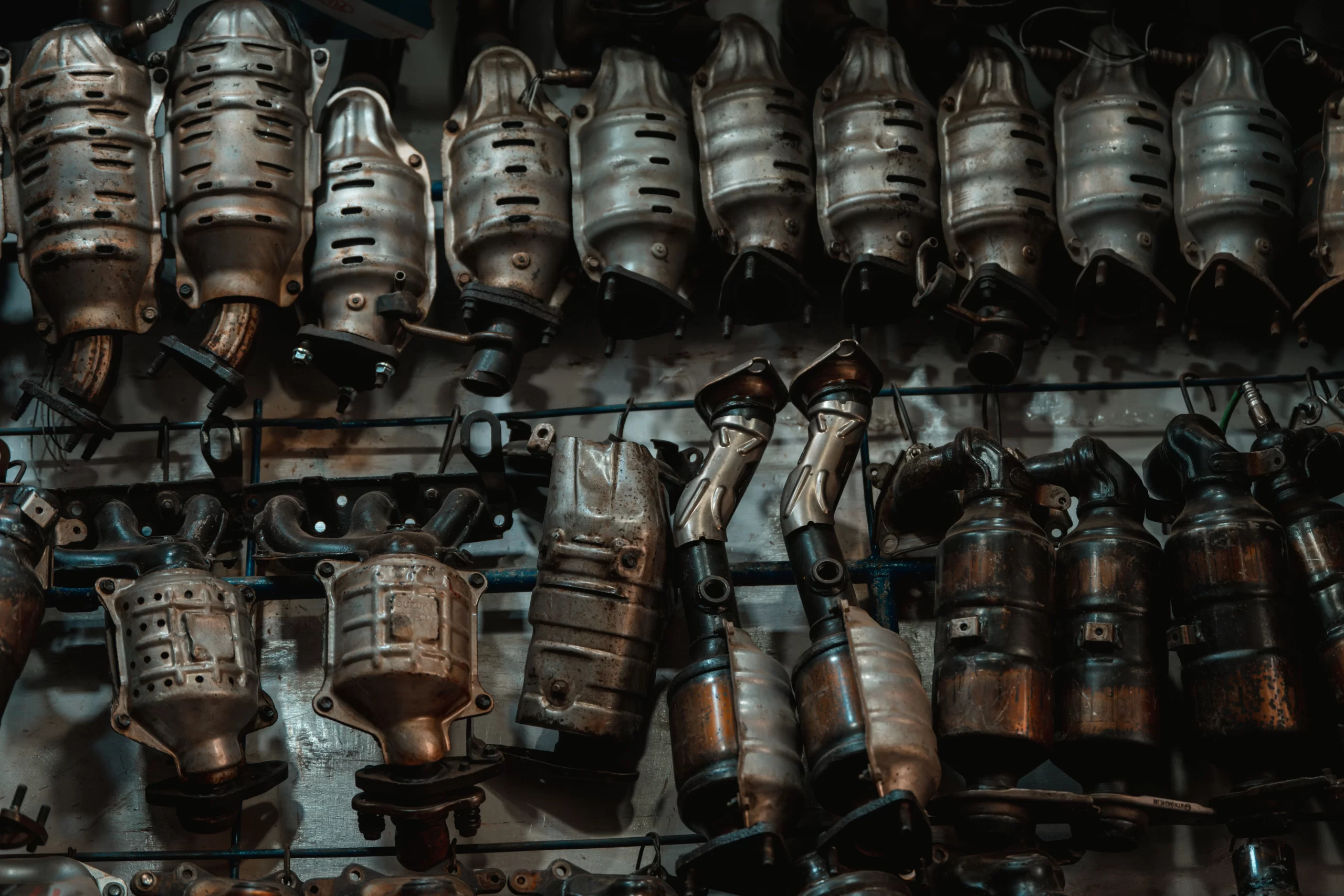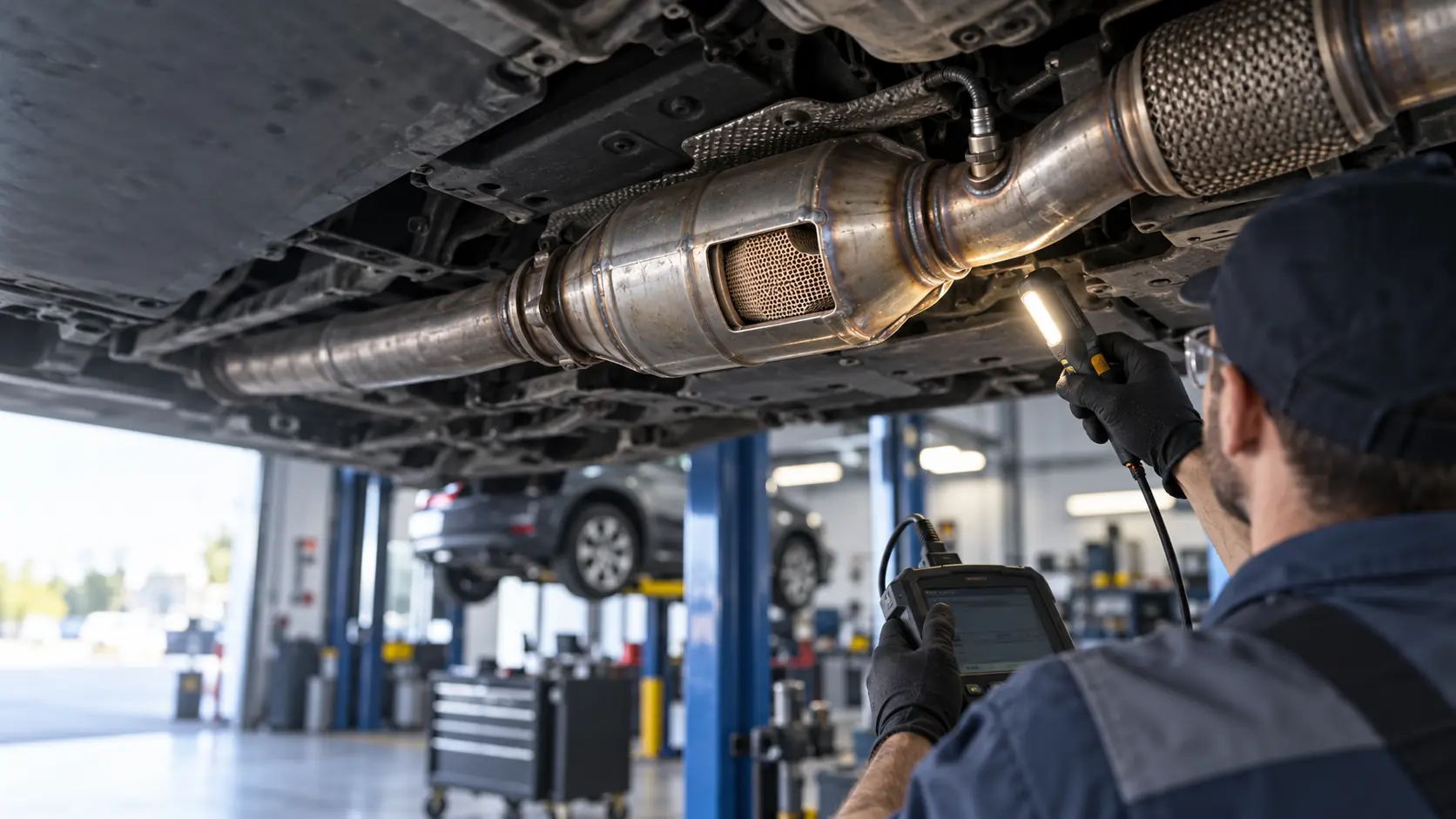

Introduction: what is a catalytic converter in practical terms? It is an exhaust part that helps reduce harmful vehicle emissions. When it fails, a car may lose power, use more fuel, run hot, or fail an emissions test. Yet these signs do not always prove that the converter itself has failed. Engine, fuel, sensor, and exhaust faults can cause similar symptoms, so a sound diagnosis should come before an expensive replacement.
Key Takeaways
- A warning light alone does not confirm converter failure.
- Misfires, fluid leaks, and excess fuel can damage the unit.
- Severe power loss or heat needs prompt attention.
- Fault codes are clues, not a final diagnosis.
- The root cause must be fixed before replacement.
- Removed units should enter legitimate recycling channels.
What are the common signs of a converter problem?
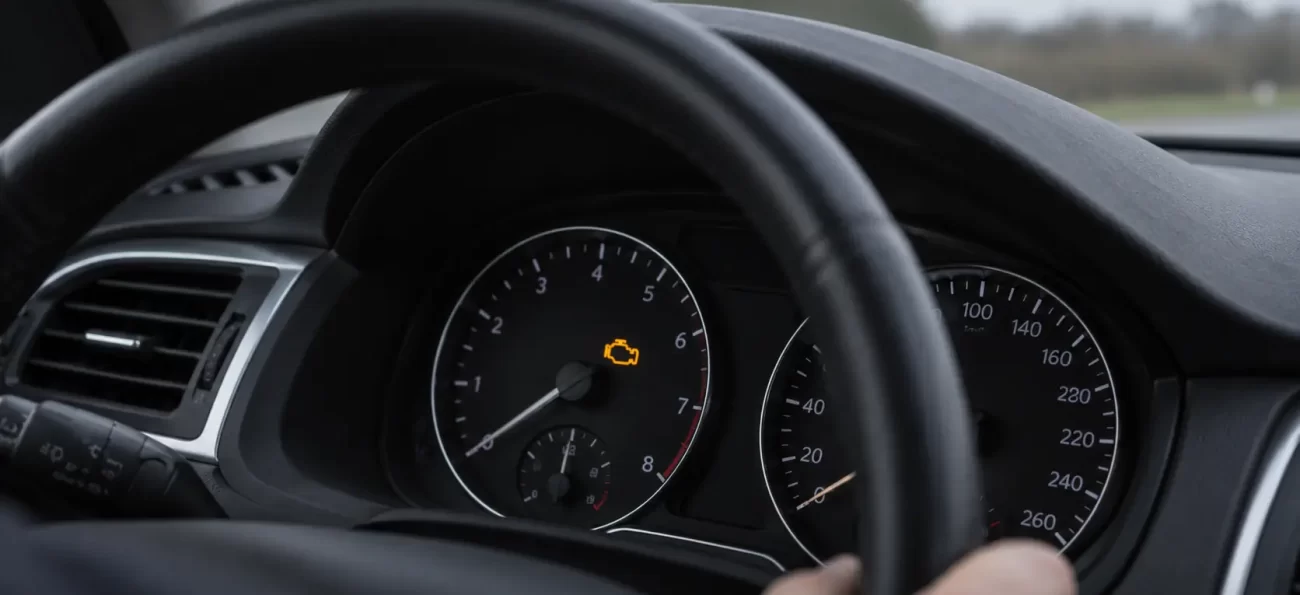
Common signs include a check-engine light, weak acceleration, poor fuel economy, excess heat, odd smells, rattling, and a failed emissions test. No single symptom confirms the cause.
Which warning signs need quick attention?
Severe power loss, smoke, unusual heat, or a flashing check-engine light calls for prompt inspection. A restricted exhaust may make acceleration difficult and place more strain on the engine.
A sulfur or rotten-egg smell can point to an emissions or fuel-control fault. A rattle may suggest internal or external damage. However, an exhaust leak, failed sensor, or engine issue may produce similar signs.
What causes converters to fail?
Converters may fail after overheating, contamination, impact damage, or long service. Engine faults often play a major role.
Replacing the unit without correcting the cause may lead to repeat failure. A mechanic should first check misfires, fluid leaks, sensor data, and related exhaust damage.
What does the catalyst do inside the unit?
The simple answer to what is the catalyst in a catalytic converter is that it supports reactions that reduce harmful exhaust emissions. Platinum group metals may form part of the active material.
Catalytic converters convert exhaust pollutants as gases pass through the unit. According to the U.S. Geological Survey, platinum, palladium, and rhodium belong to the platinum group metals.
How does a mechanic diagnose the problem?
A mechanic reads fault codes, checks engine operation, reviews sensor issues, and inspects the exhaust. Further checks can show whether the unit is restricted, damaged, or ineffective.
A diagnostic code is only a starting point. It may show that converter performance falls outside the expected range, but it does not explain why. The mechanic may check for misfires, exhaust leaks, physical damage, or poor sensor readings.
Where suitable, exhaust backpressure measurement can help identify a restriction. The final diagnosis should connect test results with the vehicle’s symptoms rather than rely on one code.
What do common warning signs suggest?
This table shows likely concerns and sensible next steps. It is a guide, not a substitute for hands-on diagnosis.
| Warning sign | Possible concern | Next step |
|---|---|---|
| Flashing engine light | Active misfire or serious engine fault | Stop driving and arrange prompt inspection |
| Weak acceleration | Restricted exhaust or engine issue | Have the engine and exhaust tested |
| Rattling noise | Loose or damaged exhaust material | Request a physical inspection |
| Failed emissions test | Converter, sensor, fuel, or exhaust fault | Diagnose the full emissions system |
Can you drive with a bad converter?
Limited driving may be possible in some cases, but continued use can worsen power loss, heat, emissions, and related engine faults. The level of risk depends on the symptoms.
Do not keep driving when the car loses substantial power, produces smoke, becomes unusually hot, or shows a flashing warning light. An obstructed exhaust needs urgent attention. Even mild symptoms deserve a timely check, especially before a required emissions inspection.
Should you repair the cause or replace the converter?
The first task is to repair the fault that caused or copied the converter problem. Replacement makes sense only when testing confirms that the unit is damaged, restricted, or no longer effective.
Work may involve correcting a misfire, replacing a faulty sensor, stopping a fluid leak, or repairing damaged exhaust sections. If a new converter is needed, check vehicle fit, local emissions rules, warranty terms, and installer quality.
The U.S. Environmental Protection Agency provides guidance on buying and installing aftermarket units. An original-equipment part and a compatible replacement can differ, so price should not be the only factor.
What should you do after converter theft?
A stolen or cut unit often causes a sudden, very loud exhaust sound. You may also see a gap or cut section beneath the vehicle.
Avoid driving if loose parts, sharp edges, or an unsafe exhaust route are present. Document the damage, contact your insurer when relevant, and use a qualified repairer. Physical damage may also affect nearby pipes, sensors, or wiring.
What happens to a removed converter?
Removed units should go through legitimate recycling channels rather than general waste. Their recoverable metal content varies, so visual checks alone cannot establish material content.
For commercial recycling, specialist palladium analysis can help determine precious metal content. Metralis works with samples from automotive and industrial catalyst materials and serves collectors, traders, decanning firms, milling and homogenization facilities, recyclers, and refineries.
How are commercial catalyst samples analysed?
Metralis uses gravimetric loss on drying, sample preparation, XRF, fire assay, and ICP-OES. XRF gives an initial view of composition and approximate precious metal concentration.
Those preliminary results guide the fire assay and the added components required for analysis. Fire assay produces a bead, or prill. The laboratory dissolves it and uses ICP-OES to determine the quantities of precious metals in the original sample. Its scope can cover Pt, Pd, Rh, Ag, and Au in catalytic converters.
Which common mistakes should you avoid?
Do not clear codes and assume the fault has gone. Also avoid installing a new unit before fixing misfires, fluid leaks, sensor faults, or damaged exhaust parts.
- Do not choose an incompatible part based only on price.
- Do not ignore a failed emissions test.
- Do not treat one fault code as proof of failure.
- Do not sell removed material through unverified channels.
- Do not keep driving through severe heat or power loss.
A qualified diagnosis protects the vehicle and reduces the risk of paying for the wrong repair. Responsible handling also matters because valuable materials may remain in a catalytic converter after removal.
Summary
Converter symptoms deserve timely investigation, but diagnosis should identify the root fault before replacement. Check engine operation, sensors, leaks, physical damage, and exhaust restriction. When removed material enters commercial recycling, Metralis offers internationally focused platinum testing & analysis for accurate and transparent assessment. Businesses may contact sales@metralis.eu for service information.