Key Takeaways
- No single platinum quantity applies to every converter.
- Platinum, palladium, and rhodium content varies by unit type.
- Vehicle details alone cannot confirm the final recoverable content.
- Damage, contamination, and prior processing can affect a sample.
- XRF, fire assay, and ICP-OES provide different forms of evidence.
- Good sampling is as important as the final measurement.
- Laboratory data supports fair trade and better recovery planning.
How much platinum can a converter contain?
The amount can range widely, so there is no sound universal figure. A precise answer requires a representative sample and suitable laboratory methods. People often search for how much platinum is in a catalytic converter because they want a quick value estimate. Yet two units that look alike may not have the same precious metal profile. Their internal substrates, production periods, emission requirements, and service histories may differ. Platinum may also be only one part of the valuable metal mix. Palladium and rhodium can be present as well, and the balance between these metals is not constant. For this reason, estimating platinum without checking the wider composition can give an incomplete view of the material.Why does precious metal content vary so much?
Manufacturers design emission systems for specific engines and operating needs. As a result, the type and amount of precious metals can change between vehicle classes, regions, production runs, and converter designs.Does the vehicle model reveal the exact amount?
No. Vehicle and part information can help classify a unit, but it does not prove its final metal content or condition. A reference database may support sorting and early valuation. However, it cannot show whether the internal material is complete, damaged, contaminated, mixed with another batch, or affected by earlier handling. It also cannot replace direct measurement when a transaction depends on exact composition. The US Environmental Protection Agency provides separate guidance for using, installing, and buying aftermarket converters. This distinction matters because original and replacement units should not be treated as if they always share the same construction or precious metal profile.Can age and condition change the result?
Yes. Physical loss, broken substrate, contamination, and incomplete collection can change the material submitted for analysis. The laboratory can only report on the sample it receives. If loose ceramic, dust, and larger pieces are not represented in the right proportions, the result may not reflect the full batch. Careful collection, milling, mixing, and sample reduction therefore play a major role in reliable valuation.What is actually inside the converter?
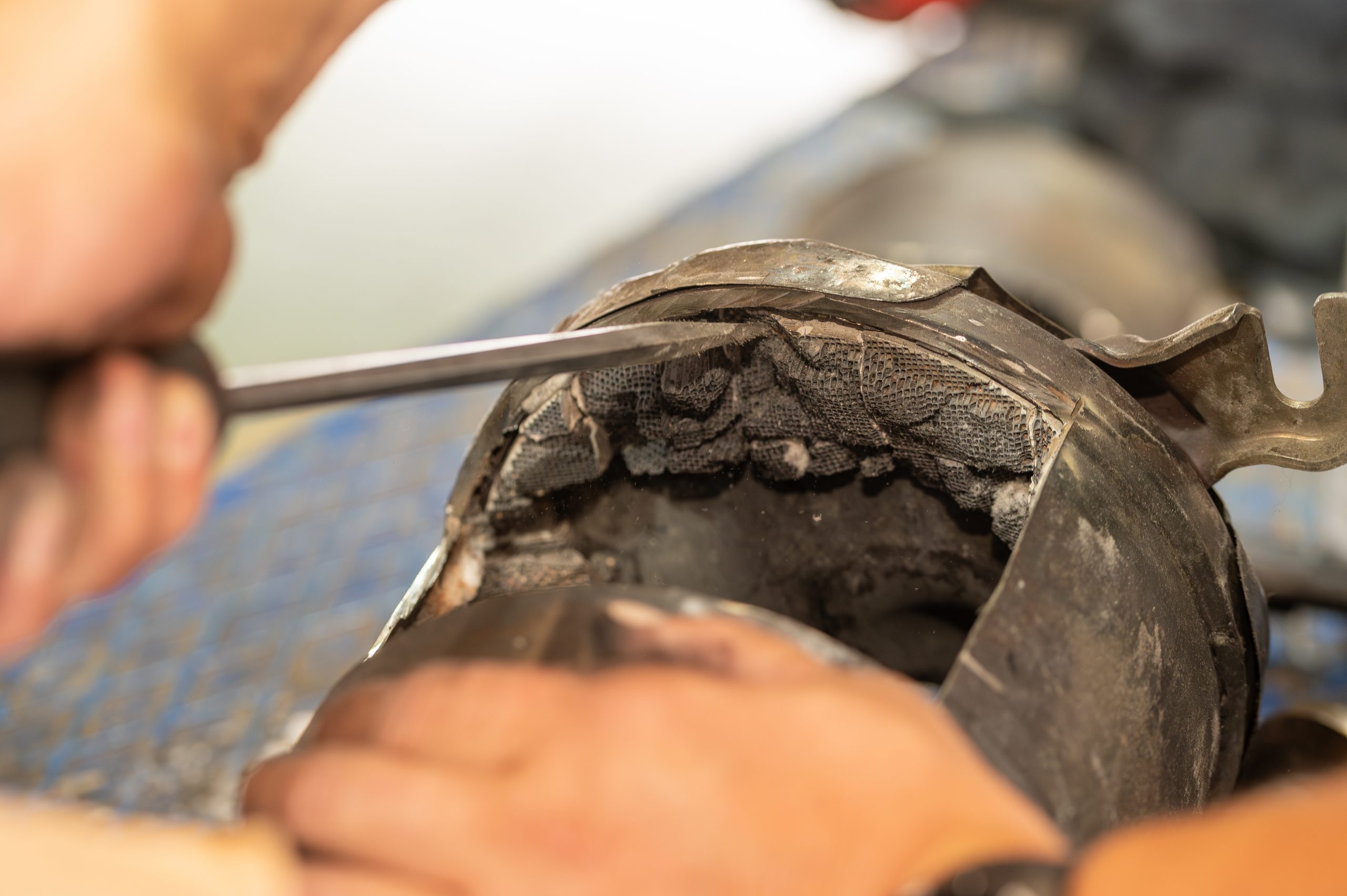
The unit contains a supporting structure with an active coating that may include platinum-group metals. Platinum, palladium, and rhodium help the emission-control system perform its intended task. The common query what’s in a catalytic converter has two answers. Physically, there is a metal housing and an internal substrate, often with a coated surface. Commercially, the key question is which valuable elements are present and at what concentration. According to the US Geological Survey, platinum, palladium, and rhodium belong to the platinum-group metals. They should still be measured separately because each element has its own concentration and commercial relevance.What factors should a recycler check before valuation?
Check the unit category, physical condition, batch makeup, sampling method, and analytical route. Together, these factors shape how much confidence a business can place in the result.What does the comparison table show?
The table shows why visual checks and laboratory results serve different purposes. It also explains where each approach is most useful.| Assessment factor | What it can show | Main limitation |
|---|---|---|
| Part or vehicle reference | Likely unit family and a useful sorting clue | Does not confirm the tested material |
| Visual inspection | Obvious damage, missing material, or contamination | Cannot quantify precious metal concentration |
| XRF screening | Fast, non-destructive preliminary elemental data | Needs suitable sample preparation and interpretation |
| Fire assay | Precise isolation and determination of precious metals | Requires controlled laboratory work |
| ICP-OES | Detailed quantitative elemental analysis | The result still depends on a representative sample |
How does laboratory analysis confirm platinum content?
A laboratory uses prepared samples and complementary methods to move from an early screening result to detailed quantitative data. This reduces reliance on appearance, labels, or broad averages.What role does XRF play?
XRF provides a fast, non-destructive preliminary view of elemental content. It helps analysts screen the material and plan the next stage of work. XRF can be useful for initial checks, but it is not the whole process. Sample form, uniformity, and the metals being measured all matter. Expert review helps decide how the preliminary reading should guide later steps.Why combine fire assay and ICP-OES?
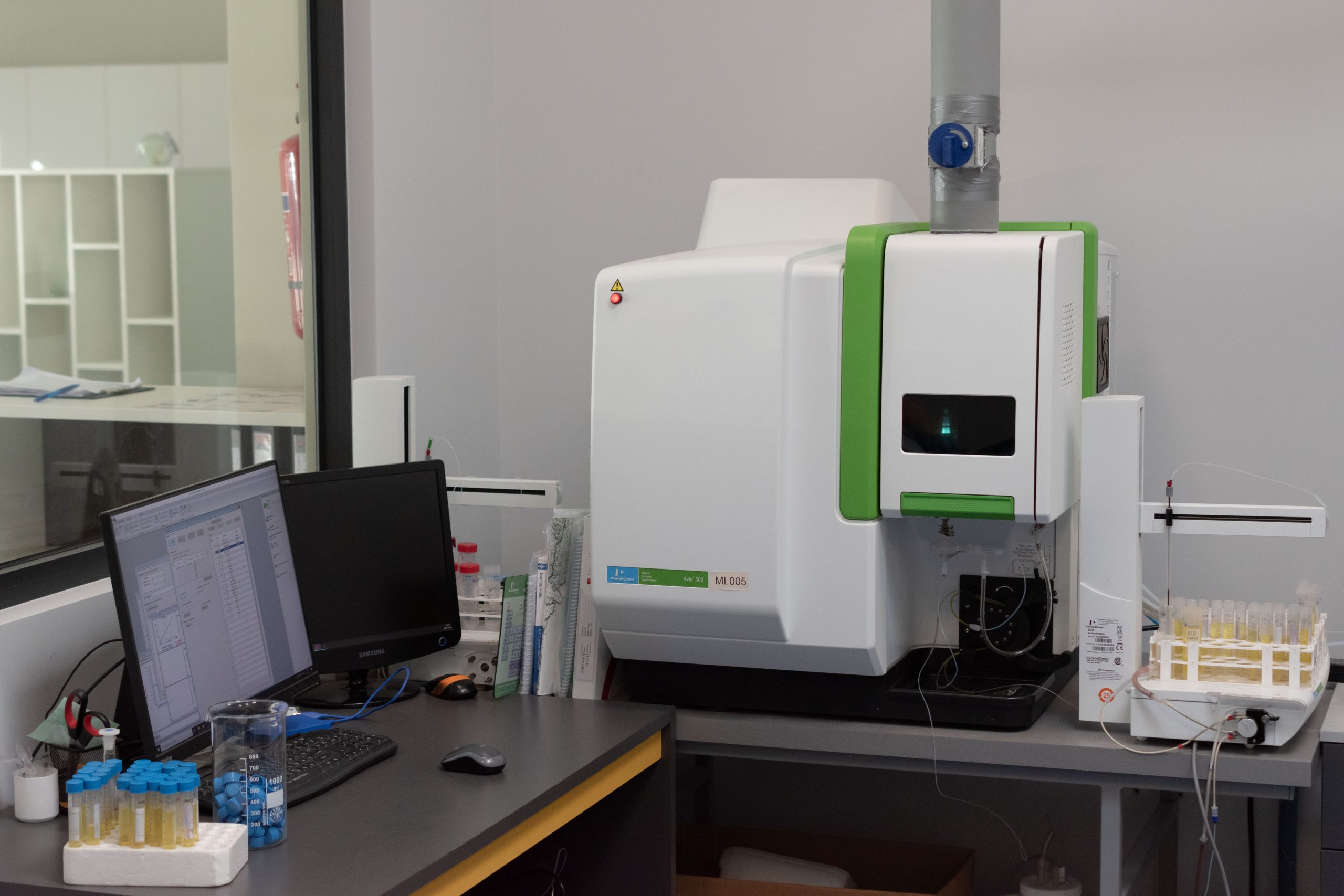
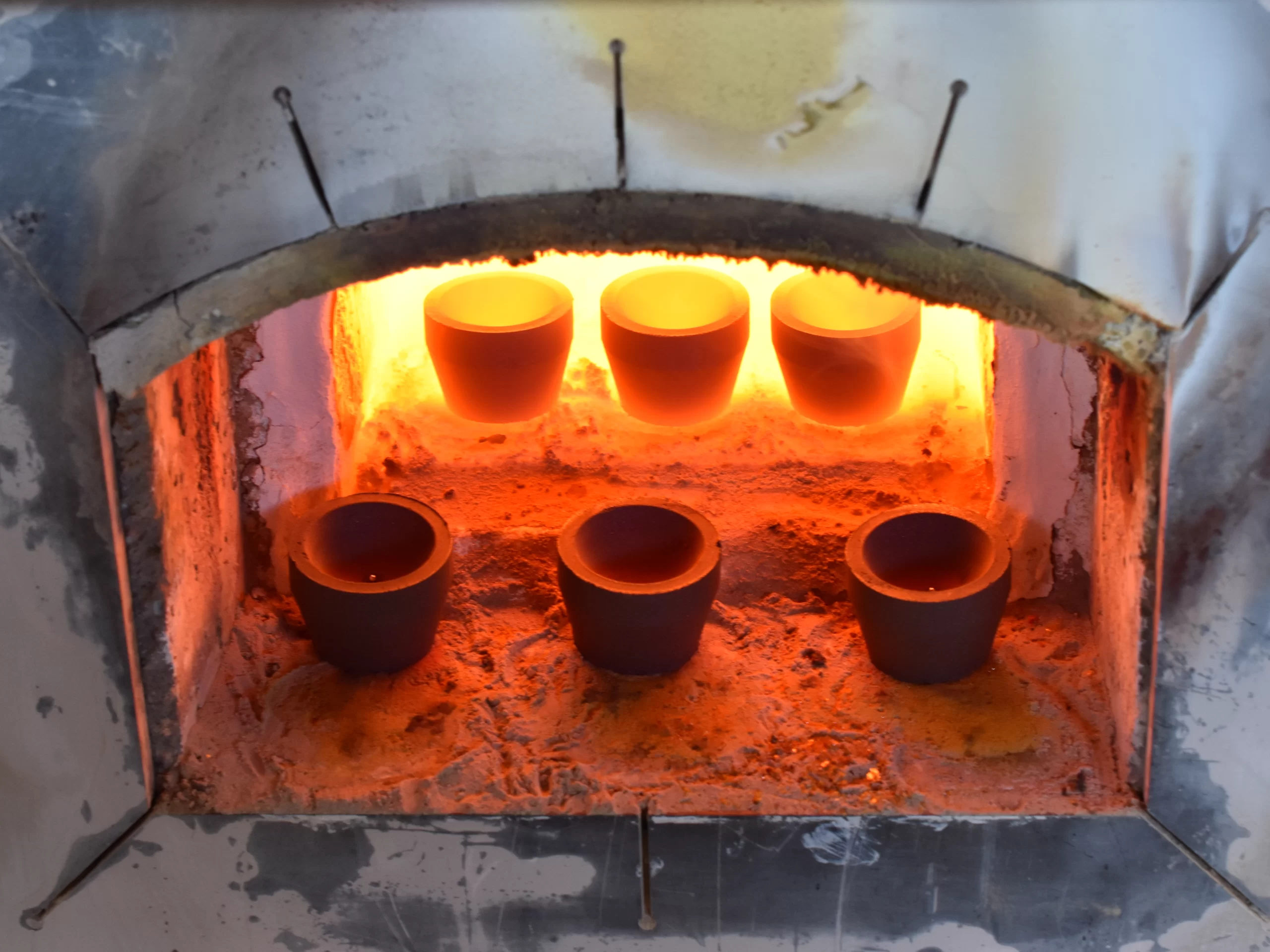
Fire assay isolates precious metals through high-temperature treatment, while ICP-OES supports sensitive quantitative measurement. Used together, they provide more detailed evidence than a simple visual estimate. Metralis combines XRF, fire assay, and ICP-OES within a multi-stage workflow. Sample-specific adjustments between stages help account for the material being tested while maintaining methodological rigor. Businesses seeking platinum testing & analysis can use this evidence for purchasing, selling, refining, and recovery planning.Why is representative sampling so important?
A precise instrument cannot correct a poor sample. The tested portion must reflect the wider lot as closely as practical. A crushed batch may contain ceramic pieces, fine dust, metal fragments, and areas with different coating levels. If the sample comes only from one part, it may overstate or understate the full batch. Consistent preparation helps reduce this risk. This explains why searches such as how much platinum catalytic converter and how much platinum is inside a catalytic converter cannot be answered from a photograph alone. The question concerns concentration, total material mass, sample quality, and the presence of other valuable metals.Platinum content alone is not enough to determine a catalytic converter’s overall value – palladium and rhodium concentrations, sample representativeness, and laboratory test results must also be considered. Learn more about how these factors influence commercial valuation in our comprehensive guide to catalytic converter analysis and value.
How can accurate results improve a commercial decision?
Accurate results give buyers and sellers a clearer basis for discussing material value. They also help processors choose suitable recovery and refining routes. For a recycler, the report can support lot comparison and supplier review. A refiner may use the data to plan processing. Traders can reduce dependence on assumptions, while industrial businesses gain a clearer record for operational and compliance-related decisions. Transparent reporting also helps teams explain why an initial estimate changed after testing. That clarity can reduce disputes and improve future sorting, sampling, and purchasing decisions.Summary
No universal number answers how much platinum a converter contains. Unit type, production details, condition, material loss, and sampling can all affect the result. Model references and visual inspection are useful screening tools, but they do not confirm precise composition. Metralis supports recyclers, refiners, processors, traders, and industrial businesses with multi-stage precious metal analysis in Vilnius, Lithuania. Its workflow combines XRF, fire assay, and ICP-OES to produce detailed, decision-ready data. Where the material may contain more than one valuable element, linked palladium analysis can help build a more complete commercial picture.Frequently Asked Questions
Helpful answers about precious metal analysis, recyclable materials, laboratory testing, and the analytical data businesses need to make confident commercial and operational decisions.
Can I calculate platinum content from the converter model?
A model reference may provide an initial clue, but it cannot confirm the exact content of a specific unit. Direct testing is more reliable for high-value sales and processing decisions.
Do all converters contain platinum?
No single metal profile applies to every unit. Designs may use different combinations and concentrations of platinum-group metals.
Can a handheld reading provide the final value?
A preliminary reading can support screening, but the final decision should account for sample preparation, material uniformity, and more detailed analytical work.
Why should palladium and rhodium be checked too?
They may form part of the valuable metal mix. Measuring only platinum can leave an incomplete picture of the material’s composition and recovery potential.
Where is Metralis located?
Metralis is based at Liubčios g. 8, Vilnius, LT-14310, Lithuania, and works with international businesses that handle recyclable and industrial metal-bearing materials.