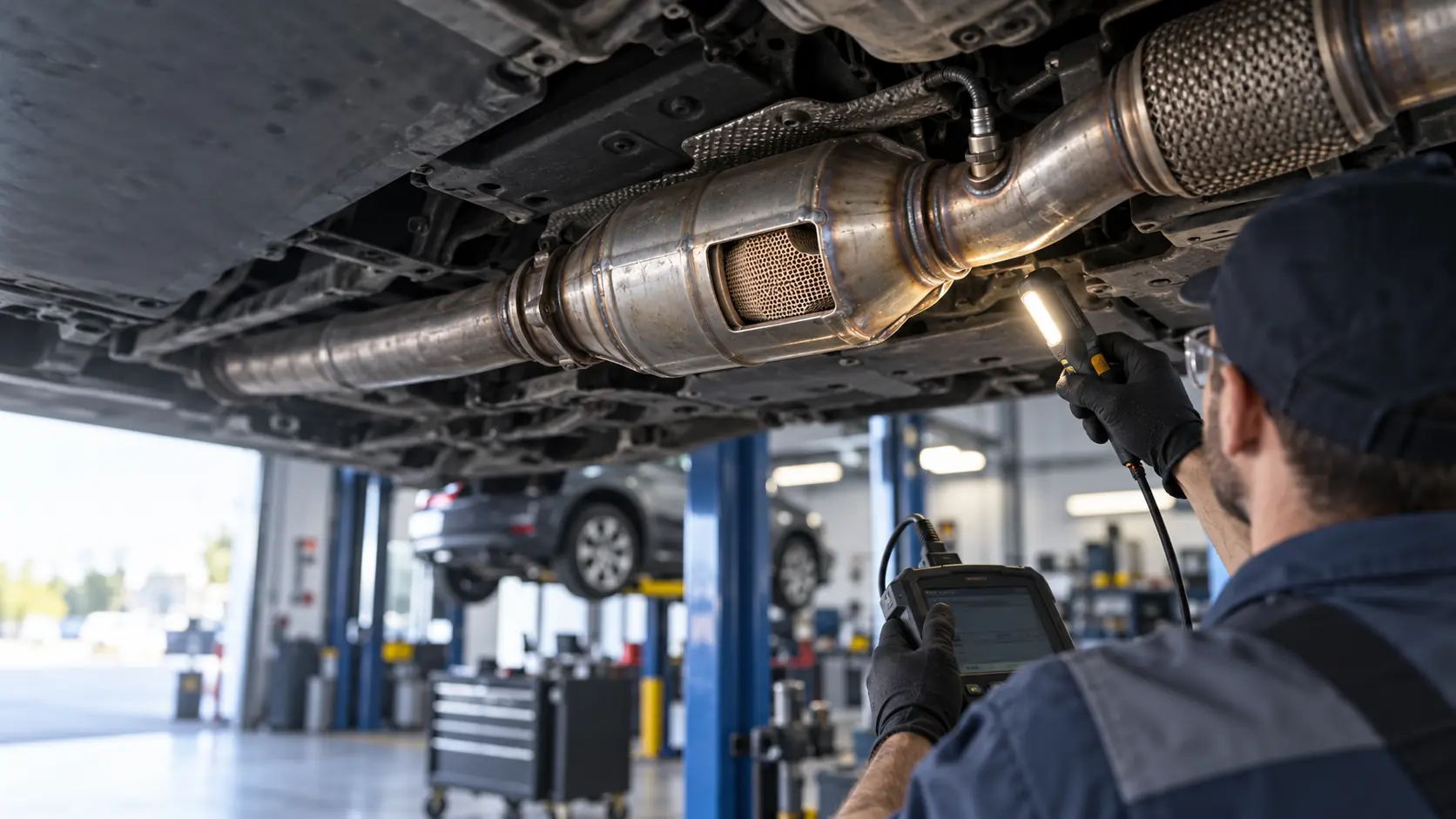
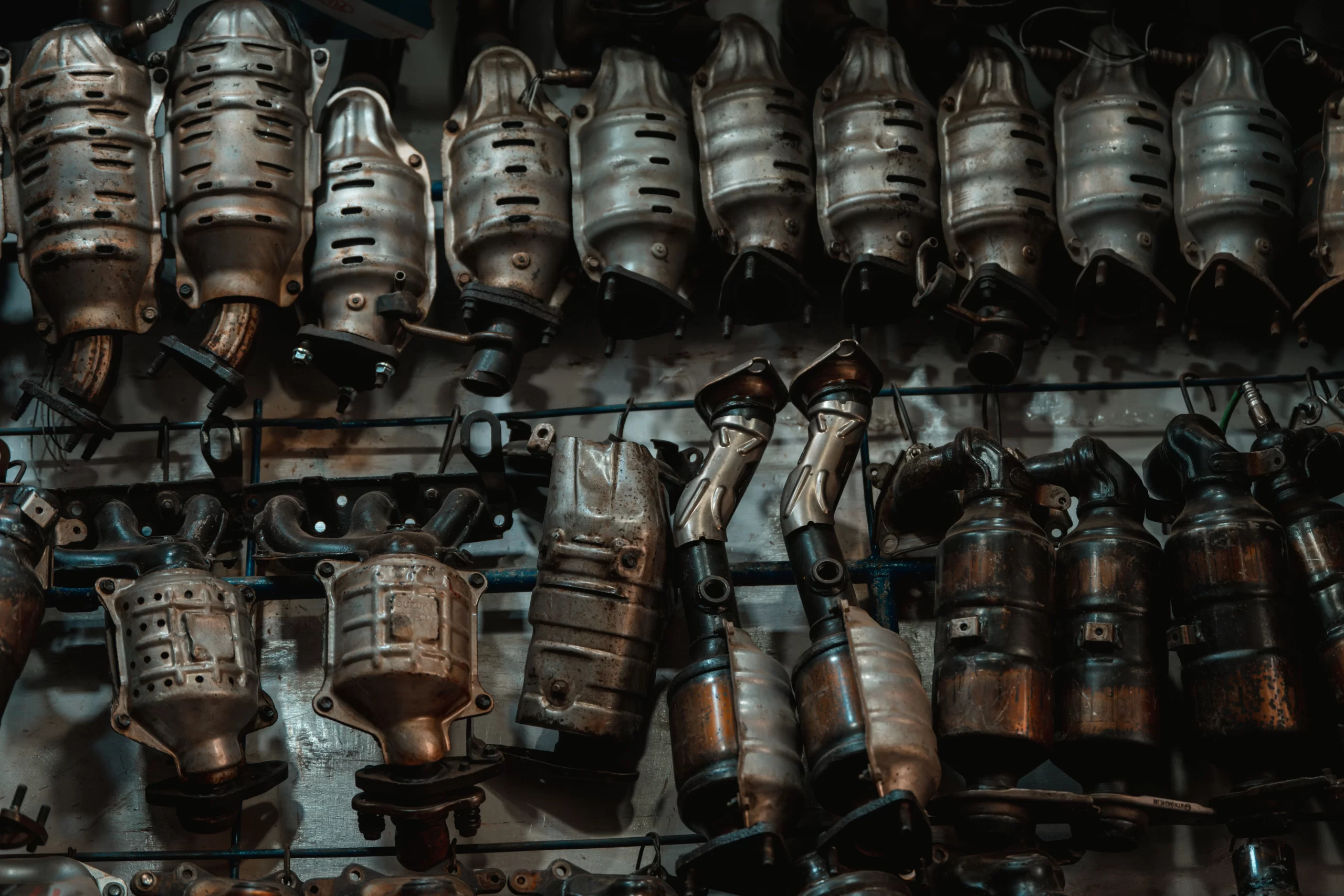
Introduction: XRF screening gives recyclers and processors a fast first look at catalytic material composition. It can identify key elements without destroying the sample, which makes it useful for sorting, intake checks, and early process decisions. However, a preliminary reading should not be treated as a final value statement. Metralis combines XRF with expert sample review, fire assay, and ICP-OES when more exact data is needed. This wider approach makes catalytic converter testing more useful for commercial and technical decisions.
Key Takeaways
- XRF offers fast, non-destructive preliminary screening.
- Sample condition and uniformity can affect the reading.
- Surface results may not represent the full material batch.
- XRF helps sort samples and plan further laboratory work.
- Fire assay can support precise precious metal determination.
- ICP-OES provides detailed quantitative elemental data.
- Expert method selection reduces uncertainty in material decisions.
What does XRF screening show in catalytic materials?
XRF screening shows which detectable elements are present and gives an initial view of their relative concentration. It is well suited to fast checks before more detailed laboratory work begins.
Automotive catalyst materials may contain platinum, palladium, and rhodium. Their distribution can vary within a sample or batch. XRF helps the analyst assess the material, spot composition differences, and decide how the next testing stage should proceed.
The method works without consuming the measured portion. This allows a laboratory to gather early data while preserving material for later preparation and analysis. Readers who want more technical context can review this guide to rapid elemental analysis with XRF.
The NIST overview of X-ray methods also shows how X-rays can support chemical imaging and elemental investigation across different scales.
Why is XRF useful for fast preliminary screening?
XRF is useful because it provides rapid information while leaving the tested portion intact. That makes it practical for material intake, sorting, comparison, and early process planning.
Can XRF help sort catalytic material?
Yes. XRF can help separate materials with different elemental profiles before detailed testing or processing.
For example, a recycler may receive several catalyst fractions from different sources. Preliminary scans can reveal clear differences between those fractions. The data can then guide sample grouping, preparation, and further laboratory work.
This is the main role of XRF testing for catalytic converters: it supports fast decisions without presenting the first reading as a complete answer. That distinction matters when the result may affect purchasing, selling, refining, or recovery planning.
Does XRF improve laboratory workflow?
Yes. A preliminary scan can help analysts choose suitable preparation steps and follow-up methods.
Metralis uses XRF as one stage within a broader workflow. Internal expertise and sample-specific adjustments connect the initial scan with later testing. This approach supports consistent reporting while keeping the analysis relevant to the material and the client’s business question.
What are the limits of XRF for catalyst testing?
XRF has clear limits when a sample is uneven, layered, contaminated, or not representative of the full batch. A quick surface reading may not describe all material held within the sample.
Catalytic materials can require careful preparation because valuable metals may not appear in a uniform pattern. The instrument measures the area presented to it. Therefore, sampling quality and material preparation remain central to a useful result.
According to the U.S. Environmental Protection Agency, XRF screening forms part of laboratory work where rapid elemental information is useful. Screening, however, has a different purpose from a full quantitative determination.
Can one XRF reading confirm commercial value?
No. One reading should not serve as a standalone guarantee of total metal content or commercial value.
A scan may provide a helpful indication, but stronger decisions need representative sampling and suitable confirmatory methods. This is especially important when small differences in platinum group metal content may affect processing choices or settlement discussions.
- Show detectable elementsGives an early view of which elements are present.
- Support fast sortingHelps separate catalyst fractions with different elemental profiles.
- Preserve the tested portionNon-destructive screening leaves material available for later work.
- Guide workflow decisionsHelps plan sample preparation and follow-up laboratory methods.
- Spot visible differencesUseful for intake checks, comparisons, and early process review.
- Confirm total batch value One scan should not be treated as a standalone commercial guarantee.
- See beyond the measured area Surface results may not represent the full internal material.
- Fix poor sampling Layered, contaminated, or uneven samples can distort the reading.
- Replace confirmatory analysisHigher-stakes decisions may still need fire assay and ICP-OES.
- Guarantee exact precious metal contentRepresentative preparation remains essential for reliable results.
How do XRF, fire assay, and ICP-OES compare?
Each method answers a different part of the testing question. XRF supports speed, fire assay supports trusted precious metal isolation, and ICP-OES supports detailed quantitative elemental measurement.
What each analytical stage contributes?
| Method | Main role | Key benefit | Typical place in the workflow |
|---|---|---|---|
| XRF spectroscopy | Preliminary elemental screening | Fast and non-destructive evaluation | Initial review and sample comparison |
| Fire assay | Precious metal extraction and isolation | Trusted determination of precious metal concentration | Confirmatory testing after preparation |
| ICP-OES | Quantitative elemental analysis | High sensitivity and detailed results | Detailed measurement and reporting |
Metralis integrates these stages rather than relying on one instrument for every question. Its precious metal analysis workflow uses scientific judgment to match preparation and measurement to the sample. A practical explanation of the confirmatory stage is available in the fire assay testing guide.
How should a catalytic sample be tested?
The process should begin with clear sample identification, representative material, and a defined testing goal. The laboratory can then select the right sequence of screening, preparation, and confirmatory analysis.
- Record the material type, source, and batch details.
- Provide a sample that reflects the wider lot as closely as possible.
- Explain whether the result will support sorting, refining, purchasing, selling, or process control.
- Use XRF for a fast preliminary elemental view.
- Apply fire assay or ICP-OES when the decision needs more exact quantitative data.
- Review the report in the context of the sample and business purpose.
Businesses asking how to test the catalytic converter should first decide what they need to know. A basic presence check differs from a detailed assay used to support a high-value transaction.
When should a business request further analysis?
Further analysis is sensible when the result affects material valuation, recovery planning, refining, or a commercial settlement. It is also useful when XRF scans show variation across the material.
A request to test catalytic converter material should include enough context for the laboratory to understand the feedstock and intended decision. Clear information helps the analyst select a sound method sequence and produce a more useful report.
Where can catalytic materials be tested?
Catalytic materials should be tested by a specialist laboratory that understands platinum group metals, recyclable feedstocks, and the limits of preliminary screening. The provider should explain both the method and the meaning of the result.
For anyone asking where can I get my catalytic converter tested, Metralis provides internationally oriented analysis from Liubčios g. 8, Vilnius, LT-14310, Lithuania. The laboratory works with recyclers, refiners, processors, traders, and industrial companies that need decision-ready data.
Clients can contact sales@metralis.eu to discuss material type and analytical needs. A structured metal analysis plan can then combine rapid screening with detailed testing where the sample and business purpose require it.
Summary
XRF is a valuable first-stage tool for catalytic materials. It provides fast, non-destructive insight that can support sorting, intake review, sample comparison, and laboratory planning. Yet its limits must remain clear. Surface readings, uneven material, and poor sampling can reduce how well a scan represents the full batch.
Reliable decisions often depend on a wider analytical process. Metralis combines XRF, fire assay, ICP-OES, sample-specific preparation, and expert review to deliver transparent and commercially useful results. This method-led service helps businesses improve recovery choices, refining plans, workflow control, and confidence in metal-bearing material data.
Frequently Asked Questions
Helpful answers about precious metal analysis, recyclable materials, laboratory testing, and the analytical data businesses need to make confident commercial and operational decisions.
Is XRF enough to value catalytic material?
No. XRF can provide a useful preliminary indication, but representative sampling and confirmatory analysis may be needed when results affect value, recovery, or settlement decisions.
Does XRF damage the tested sample?
No. XRF provides a non-destructive preliminary evaluation, so the measured portion can remain available for preparation and further analysis.
Which precious metals may be checked in automotive catalysts?
Automotive catalyst analysis commonly focuses on platinum, palladium, and rhodium. The suitable testing sequence depends on the sample condition and the level of detail required.
Why can XRF results vary across one batch?
Results can vary when material is uneven or when valuable elements are not distributed uniformly. Several measurements and suitable sample preparation can give the laboratory a clearer view.
When are fire assay and ICP-OES useful?
Fire assay is useful for trusted precious metal determination through high-temperature extraction and isolation. ICP-OES supports sensitive, detailed quantitative elemental analysis and can add depth to the final report.