Key Takeaways
- A converter reduces harmful exhaust emissions.
- Its performance depends on precious metal content.
- Platinum, palladium, and rhodium are commercially important.
- Two similar-looking units can hold very different value.
- Visual checks are not enough for serious buying or recovery work.
- Lab analysis helps recyclers, traders, and refiners act with confidence.
How does the converter clean exhaust gases?
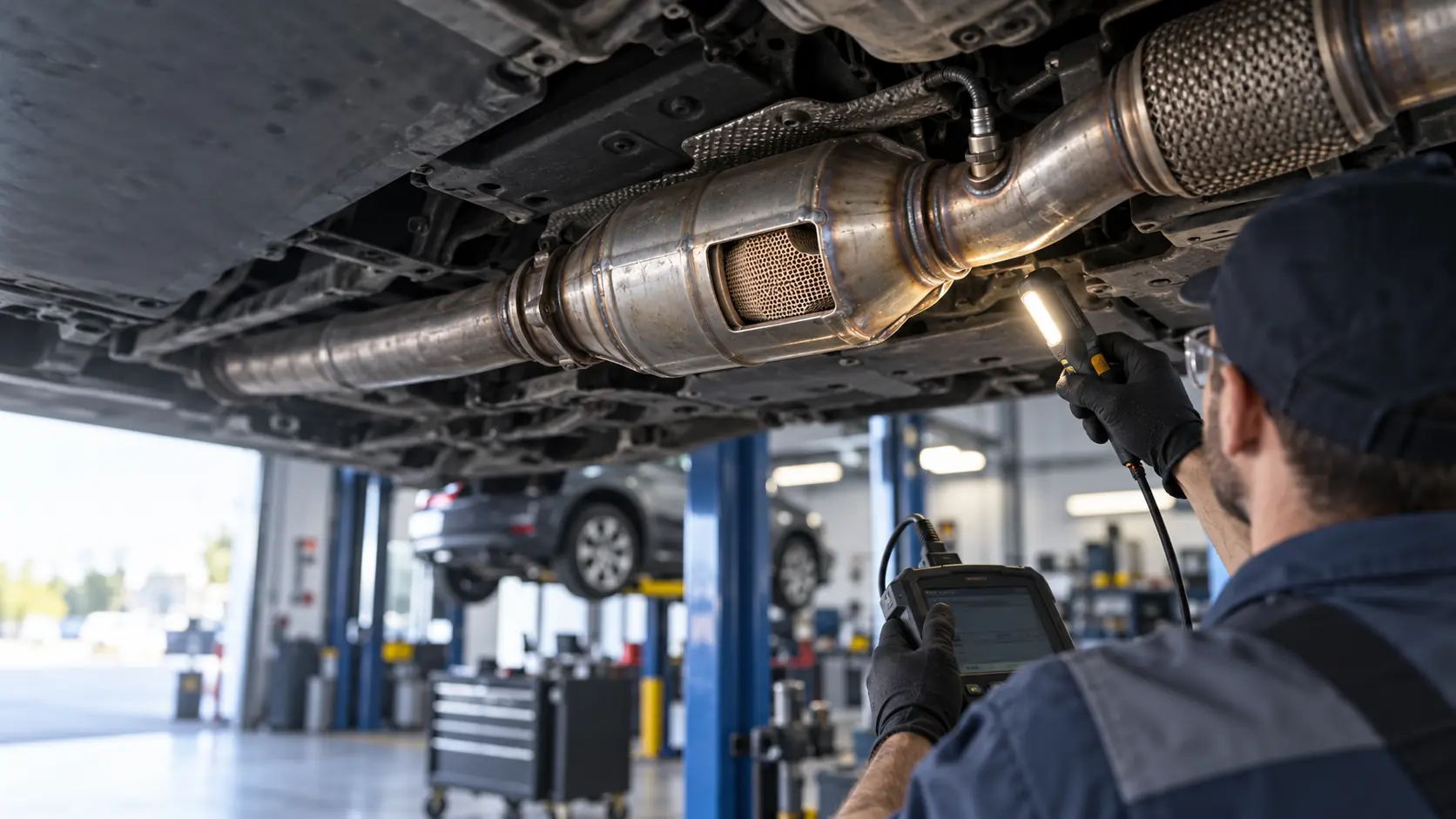
It treats exhaust after combustion. Inside the unit, gases pass over a coated surface that helps key chemical reactions happen faster. The goal is to reduce the amount of harmful compounds leaving the vehicle. According to the US EPA, vehicle emissions linked to smog include hydrocarbons, nitrogen oxides, and carbon monoxide. The converter helps lower these pollutants before they enter the air. This is why the part sits in the exhaust system rather than in the engine itself. The engine creates the exhaust. The converter treats it on the way out. That simple placement makes it one of the most important emissions-control parts on many vehicles.What happens inside the honeycomb structure?
Exhaust flows through many small channels. Those channels create a large active surface area in a compact space. Most units use a ceramic or metal substrate with a honeycomb shape. That substrate is coated with materials that support the chemical reactions needed for emissions control. The larger the active surface, the more contact the exhaust has with the coated layer. Heat also matters. These reactions work when the unit reaches operating temperature. That is one reason short trips and cold starts can affect emissions behavior before the exhaust system fully warms up.Why is this part so important for modern vehicles?
It helps vehicles meet emissions rules and reduce harmful pollution. Without it, exhaust would contain higher levels of gases that damage air quality. For most people, that means cleaner driving. For workshops and fleet operators, it means compliance and proper vehicle performance. For recyclers, it means something else as well: the unit has technical value because it contains metal-bearing material that made those reactions possible in the first place. That link between environmental function and metal content is the bridge between everyday car use and industrial recycling. The component is not just scrap. It is a processed material with chemistry, structure, and often meaningful precious metal content.What metals inside the unit matter most?
What does this table show about common converter metals?
It shows which precious metals are commonly associated with converter materials and why recyclers track them. The table is a simple business view, not a substitute for lab results.| Metal | Why it matters in converter materials | Why recyclers care |
|---|---|---|
| Platinum (Pt) | Common precious metal used in emissions-control applications | It can contribute to recoverable value in spent material |
| Palladium (Pd) | Common precious metal found in many vehicle converter systems | Its concentration can change lot valuation and processing plans |
| Rhodium (Rh) | Important platinum group metal linked to emissions-control function | Even small amounts can be commercially significant |
Why does converter function matter in recycling?
Because function and composition are linked. If the unit worked by means of precious metals, the remaining material may still carry recoverable value after service life ends. That is why this topic matters beyond car ownership. Recyclers, refiners, dismantlers, traders, and industrial buyers all need a clear view of what is inside a spent unit. If the composition is unknown, sorting decisions become weaker and settlement discussions become harder. For companies buying spent auto parts, even small differences in catalytic material grade can change recovery estimates. Reliable analysis supports purchasing confidence, lot separation, and more informed downstream planning. Metralis approaches this need as a specialized analytical partner for businesses working with recyclable and industrial materials that contain precious and specialty metals. In the converter segment, that means producing decision-ready data that helps firms judge material quality with more clarity.Why can two similar-looking units have very different value?
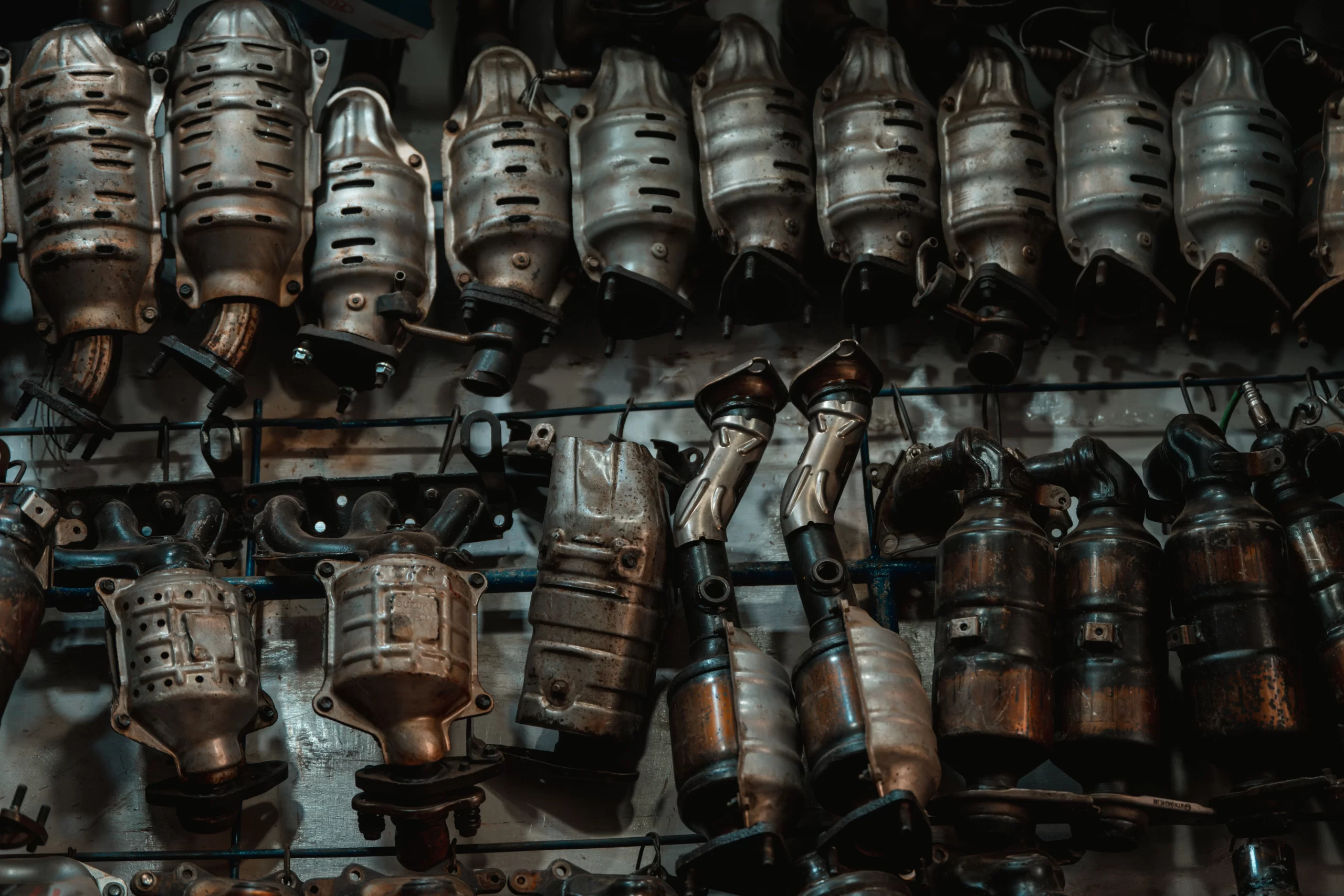
Outer appearance tells only part of the story. The meaningful difference often sits inside the coated substrate. Shell size, weight, and part markings can help with sorting, but they do not confirm exact composition. Real value depends on metal concentration, substrate condition, contamination, and sample quality. A damaged or altered unit can also differ from expectations based on visual ID alone. This is why serious buyers do not rely only on photos, lists, or assumptions. They need analytical data when the material is high stakes, mixed, unusual, or tied to settlement.How are converter materials tested in a professional lab?
Labs test them with a staged approach. Fast screening, careful sample preparation, and detailed quantitative methods work better together than any single shortcut. For recyclers, what is a catalytic converter is not just a classroom question. It is also a material identification and sampling question. Once the unit enters the recycling stream, the real task is to determine what metals are present and in what amounts. Metralis uses a multi-stage analytical workflow built around XRF spectroscopy, fire assay, and ICP-OES. Each method serves a different role. XRF can support fast, non-destructive preliminary checks. Fire assay remains one of the most trusted routes for precise precious metal determination. ICP-OES supports detailed quantitative elemental analysis with high sensitivity and precision. If you want a simple overview of rapid screening, this guide on how XRF works for elemental analysis explains why it is useful at the front end. For deeper quantitative data, this article on what ICP-OES is in high-precision metal testing shows how labs measure elemental content with greater detail.Why use more than one analytical method?
Because no single method answers every question equally well. A staged process gives speed first, then stronger detail and confidence where needed. That matters in commercial work. A quick screen may help sort material, but final decisions often need more than a fast scan. Precious metal-bearing lots can justify a fuller analytical path, especially when results affect purchasing, refining, recovery planning, or internal process control. Metralis also emphasizes expert judgment between stages. That means sample-specific process adjustments based on material type, while staying grounded in recognized methodology and clear reporting.What can change the metal content in spent units?
Several things can change it. Vehicle application, engine type, age, region, and material condition all play a part. Some lots contain mixed origins. Others include damaged or incomplete units. In recycled flows, contamination and inconsistent sampling can further distort expectations. That is one reason blanket assumptions are risky. From a business angle, this variation explains why standard lists and visual categories have limits. They can help with sorting, but they should not replace lab-based confirmation when the material has meaningful value or when the lot is complex.When should a recycler, trader, or processor request lab analysis?
Request analysis when decisions depend on exact composition. That is especially true for settlement, lot grading, recovery planning, and quality control. Common situations include:- Buying mixed or unfamiliar converter lots
- Checking whether a supplier’s description matches actual content
- Separating material streams before refining or resale
- Reviewing process losses or recovery performance
- Supporting documentation where analytical clarity matters
What should businesses look for in an analytical partner?
Look for precision, transparency, method strength, and practical reporting. The right partner should help you act on the result, not just receive a number. For converter-related work, that means understanding recyclable raw materials, precious metal-bearing residues, and the commercial effect of small concentration changes. It also means clear communication and reports that are useful for real business decisions. That is why firms that purchase or process catalytic converters often seek lab data before settlement or further treatment. When material value depends on precise composition, accuracy supports better calls across purchasing, recovery, and downstream planning.Summary
A vehicle converter reduces harmful exhaust gases, but its job is only half the story. The same chemistry that helps clean emissions also makes spent units important in recycling, because precious metal content can affect commercial value and recovery choices. For businesses handling converter material, visual checks alone are rarely enough. Reliable laboratory analysis brings clarity on composition, supports stronger decisions, and helps teams manage recyclable precious metal-bearing materials with more confidence. For firms that need that level of detail, Metralis in Vilnius serves as a specialized analytical partner focused on precise, transparent, business-relevant metal testing.Frequently Asked Questions
Helpful answers about precious metal analysis, recyclable materials, laboratory testing, and the analytical data businesses need to make confident commercial and operational decisions.
Does every vehicle converter contain the same metals?
No. Metal mix can vary by vehicle type, engine type, age, region, and design. That is why similar-looking units may not carry the same recovery potential.
Can a recycler judge a spent unit by appearance alone?
Not with strong confidence. Visual sorting has value, but it does not confirm exact precious metal concentration. Analytical testing is much more reliable when value-sensitive decisions are involved.
Why are platinum group metals important in this material stream?
They are important because they are tied to the emissions-control chemistry that makes the unit work. That same fact is what gives many spent units recycling interest.
Which testing methods are useful for converter analysis?
A staged approach is often the most useful. XRF can support preliminary screening, while fire assay and ICP-OES help provide more detailed and dependable quantitative results for precious and specialty metals.
Who usually needs this type of analysis?
Recyclers, refiners, traders, dismantlers, processors, and industrial businesses often need it. Any company making purchasing, selling, recovery, or process decisions based on metal content can benefit from dependable lab data.