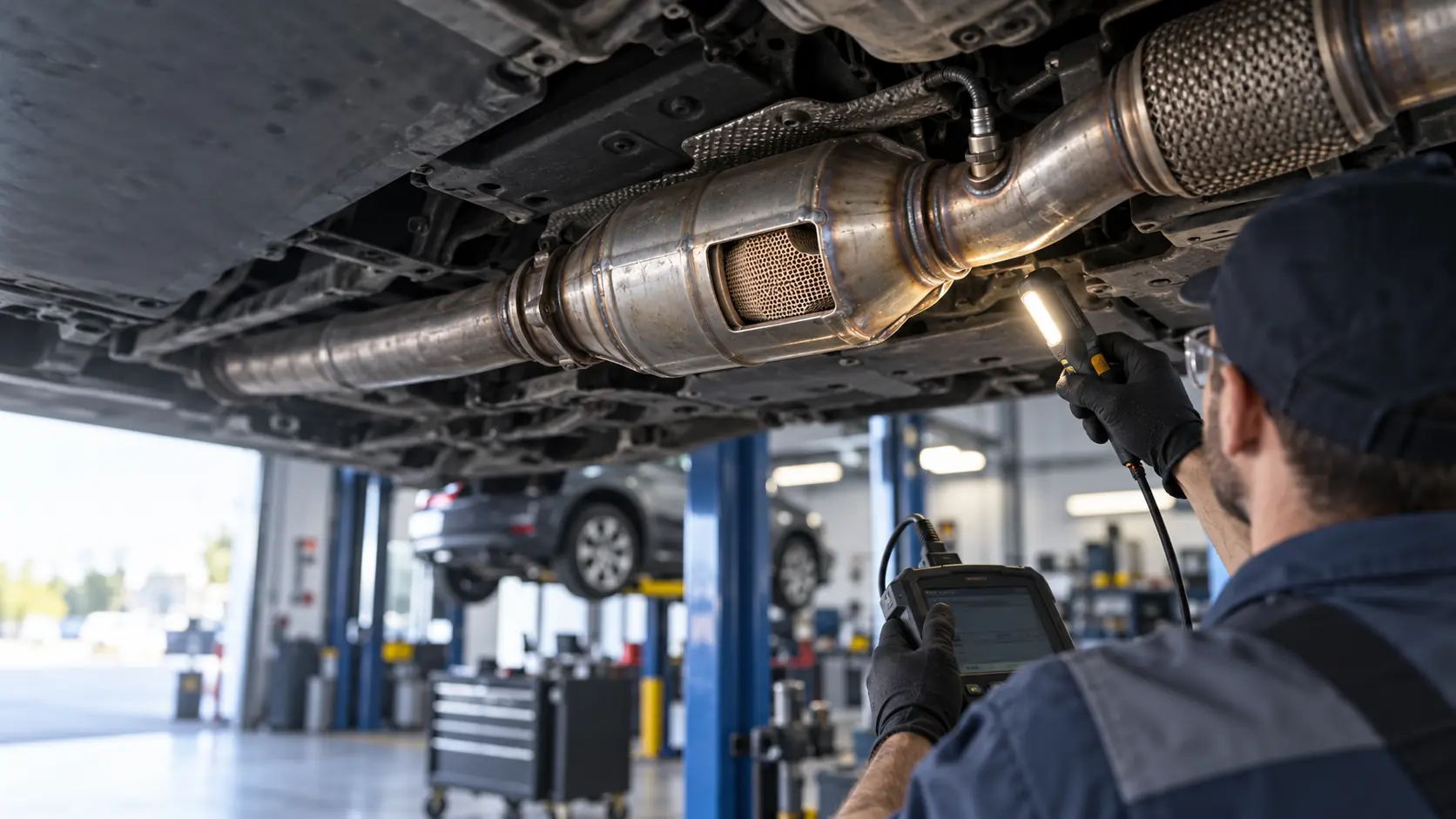
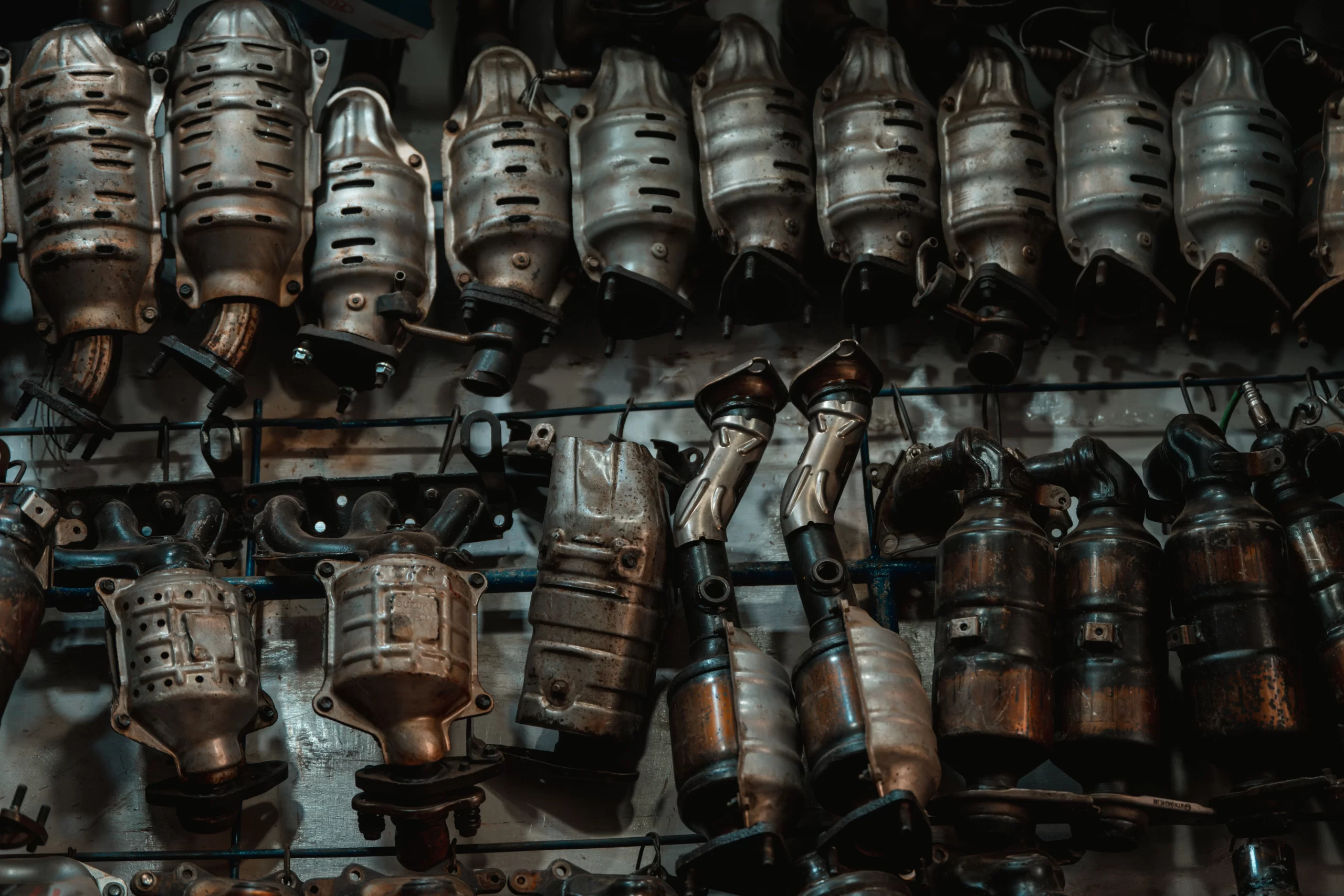
Introduction: Fair buying starts with knowing what the material contains. A used catalytic converter may hold platinum, palladium, and rhodium, but its true content cannot be judged by sight alone. Laboratory analysis gives buyers and recycling operators clear data before they set terms, plan processing, or settle a trade.
Key Takeaways
- Visual checks help identify material, but they do not prove metal content.
- Representative sampling is essential for a fair result.
- XRF, fire assay, and ICP-OES provide different layers of evidence.
- Reliable reports reduce pricing disputes between buyers and sellers.
- Test data helps processors sort feedstock and plan recovery work.
- Consistent testing supports repeatable buying rules.
Why is testing essential before a buyer sets terms?
Testing shows the amount of valuable metal in the sampled material. This gives both sides a sound basis for commercial talks.
The outer shell, brand, size, weight, and serial details may help with basic identification. They cannot show the exact platinum group metal content inside the ceramic or metallic substrate. They also cannot reveal how wear, damage, prior handling, or mixed batches have changed the material.
This matters because two similar-looking units may not produce the same analytical result. A buyer who relies only on a visual grade may take on unknown risk. A seller may also receive terms that fail to reflect the tested composition of the lot.
Clear laboratory evidence shifts the discussion from an estimate to measured data. It supports fairer purchasing, clearer settlements, and better processing choices.
Can visual inspection replace laboratory evidence?
No. Visual inspection is useful for screening, but it cannot quantify platinum, palladium, or rhodium with the detail needed for final commercial decisions.
What can a visual check tell a buyer?
It can reveal obvious damage, missing substrate, contamination, unusual cutting, or mixed forms of material. Weight and physical condition may also help staff decide how to sort and sample a batch.
However, appearance is an indirect signal. It does not measure the precious metals present. Catalog data can add context, yet the actual lot still needs sound sampling and analysis when value depends on its real composition.
What does analytical evidence add?
Analytical evidence gives a measured result for the elements covered by the test. It creates a record that can be reviewed by purchasing, processing, finance, and quality teams.
The result is especially useful when a lot contains mixed, processed, crushed, or decanned material. In such cases, the original unit identity may offer little help. A representative sample becomes the main link between the physical lot and the reported metal content.
How do laboratories test converter material?
They prepare a representative sample and apply suitable analytical methods. Metralis combines XRF spectroscopy, fire assay, and ICP-OES in a multi-stage workflow.
People searching for how to test catalytic converter material often expect one handheld reading to settle the matter. Commercial testing involves more care. Sample preparation, method choice, process controls, and expert review all affect whether the result is useful.
What role does XRF play?
XRF supports fast, non-destructive preliminary evaluation. It helps identify elements and gives the laboratory an early view of the sample.
This first stage can guide later work, but it should be read in context. Surface condition and sample uniformity matter. Metralis applies sample-specific judgment between stages rather than treating one reading as the whole answer. A fuller account of the technique is available in this guide to rapid elemental analysis with XRF.
Why are fire assay and ICP-OES used?
Fire assay isolates precious metals through high-temperature treatment, while ICP-OES provides detailed quantitative elemental data. Together, they add depth and precision to the initial screen.
Fire assay remains a trusted route for precious metal determination. The laboratory can then use instrumental analysis to measure relevant elements with high sensitivity. Readers who need more detail can review the step-by-step fire assay guide.
A sound catalytic converter test is therefore more than a single instrument reading. It is a controlled chain of sampling, preparation, analysis, review, and reporting.
What does each testing approach show?
Each approach answers a different question. The table compares visual screening with the three analytical stages used by Metralis.
| Approach | Main purpose | Commercial use | Key limit |
|---|---|---|---|
| Visual screening | Checks form, condition, and obvious damage | Supports sorting and intake checks | Does not quantify precious metals |
| XRF | Provides rapid preliminary elemental data | Guides sample review and later analysis | Must be read with sample condition in mind |
| Fire assay | Extracts and isolates precious metals | Supports precise content determination | Requires controlled preparation and expert handling |
| ICP-OES | Measures elements in quantitative detail | Supports clear reports and trade decisions | Depends on proper preparation and method control |
How does testing reduce buying disputes?
It gives both parties a shared body of evidence. A clear report makes it easier to explain how a settlement or processing choice was reached.
Disputes often grow when a visual estimate, catalog grade, or intake assumption is treated as fact. Testing helps separate identity from composition. It also lets buyers apply the same decision process across repeat shipments.
According to the US EPA Regional Laboratory Network, laboratory work relies on quality systems, documented procedures, and review. Those principles matter in commercial metal analysis because a result must be both technically sound and clear enough to support a decision.
The US Department of Energy market research on platinum recovery also shows the industrial relevance of recovering platinum from secondary sources. When valuable metals move through recycling channels, dependable content data has direct practical value.
How can buyers build testing into their purchasing process?
Buyers should define when material is tested, how it is sampled, and how results affect settlement. These rules should be clear before the lot moves to processing.
- Describe the lot. Record its form, weight, condition, and whether it contains whole units, loose substrate, powder, or mixed fractions.
- Agree on sampling. The sample must reflect the lot, not just an easy or clean section.
- Choose suitable methods. Use preliminary screening and detailed analysis where the commercial risk calls for both.
- Set reporting needs. State which metals must be measured and how the findings will support settlement.
- Keep traceable records. Link the sample, report, lot, and buying decision.
- Review unusual results. Large gaps between expectations and test data deserve a careful check.
For businesses asking how do you test a catalytic converter, the answer should begin with the lot and its purpose. A whole unit, prepared powder, and mixed industrial fraction may require different handling. The analytical plan should reflect the sample rather than force every material through an identical routine.
How does reliable analysis improve processing decisions?
Reliable data helps operators decide how to group, refine, sell, or hold material. It also helps them focus plant time and recovery work on known feedstock.
Detailed results can support purchasing confidence, extraction planning, recovery review, and process control. They may also help a business compare expected and reported outcomes without relying on appearance alone.
Metralis provides catalytic converters testing for recyclers, refiners, processors, and traders working with value-sensitive material. Its workflow combines scientific rigor with practical reporting, so the data can serve both technical and commercial teams.
Summary
Fair buying depends on evidence that reflects the material being traded. Visual checks remain useful, but they cannot replace representative sampling and multi-stage laboratory analysis.
XRF offers rapid preliminary insight. Fire assay and ICP-OES add detailed quantitative evidence. Used together, these methods help reduce disputes, support consistent buying rules, and guide better processing choices. Metralis, based in Vilnius, Lithuania, serves international businesses that need transparent metal analysis with clear commercial value.
Frequently Asked Questions
Helpful answers about precious metal analysis, recyclable materials, laboratory testing, and the analytical data businesses need to make confident commercial and operational decisions.
Can a handheld reading set the final buying value?
Not by itself. A handheld reading may support early screening, but final decisions should consider sample preparation, representativeness, suitable methods, and expert review.
Can you test material after it has been crushed?
Yes, prepared material can be tested when it is sampled and handled correctly. In fact, good preparation may help create a more uniform sample for analysis. Businesses asking can you test catalytic converter powder should first confirm that the submitted sample truly reflects the full lot.
Why does representative sampling matter so much?
The report describes the sample submitted for analysis. If that sample does not reflect the full batch, even a precise measurement may not support a fair settlement for the lot.
Which metals are commonly assessed in this material?
Commercial analysis often focuses on platinum, palladium, and rhodium. The exact analytical scope should match the material, trade terms, and processing needs.
Who benefits from independent laboratory analysis?
Buyers, sellers, recyclers, refiners, processors, and traders can all benefit. Shared analytical evidence gives each party a clearer basis for pricing talks, recovery planning, and review of unusual results.